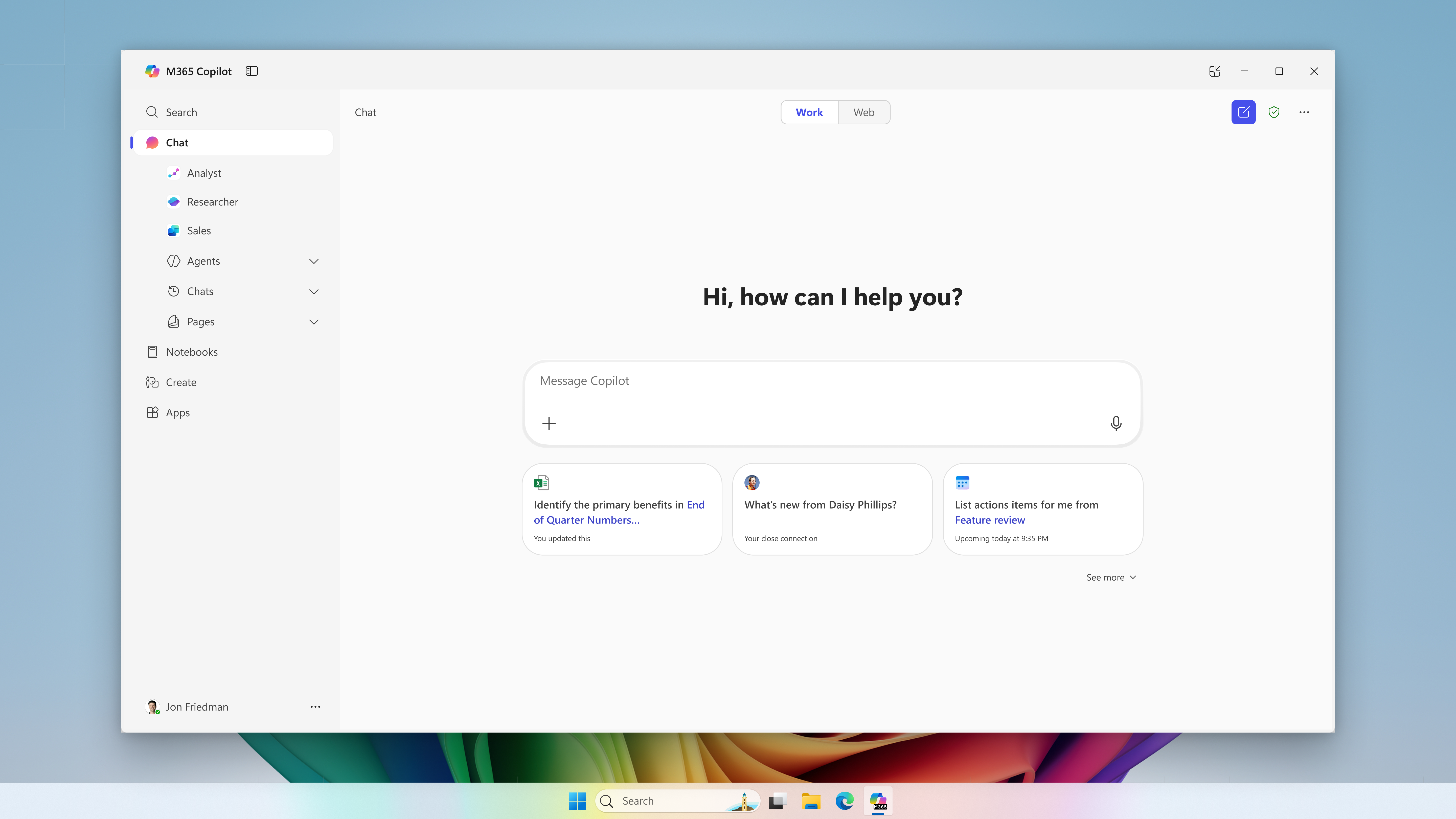
Microsoft extends usage limits to additional Copilot Chat features for users without a Microsoft 365 Copilot license in commercial organizations. The notifications call for support preparation and a review of license requests, without turning every limit into a recommendation to buy.
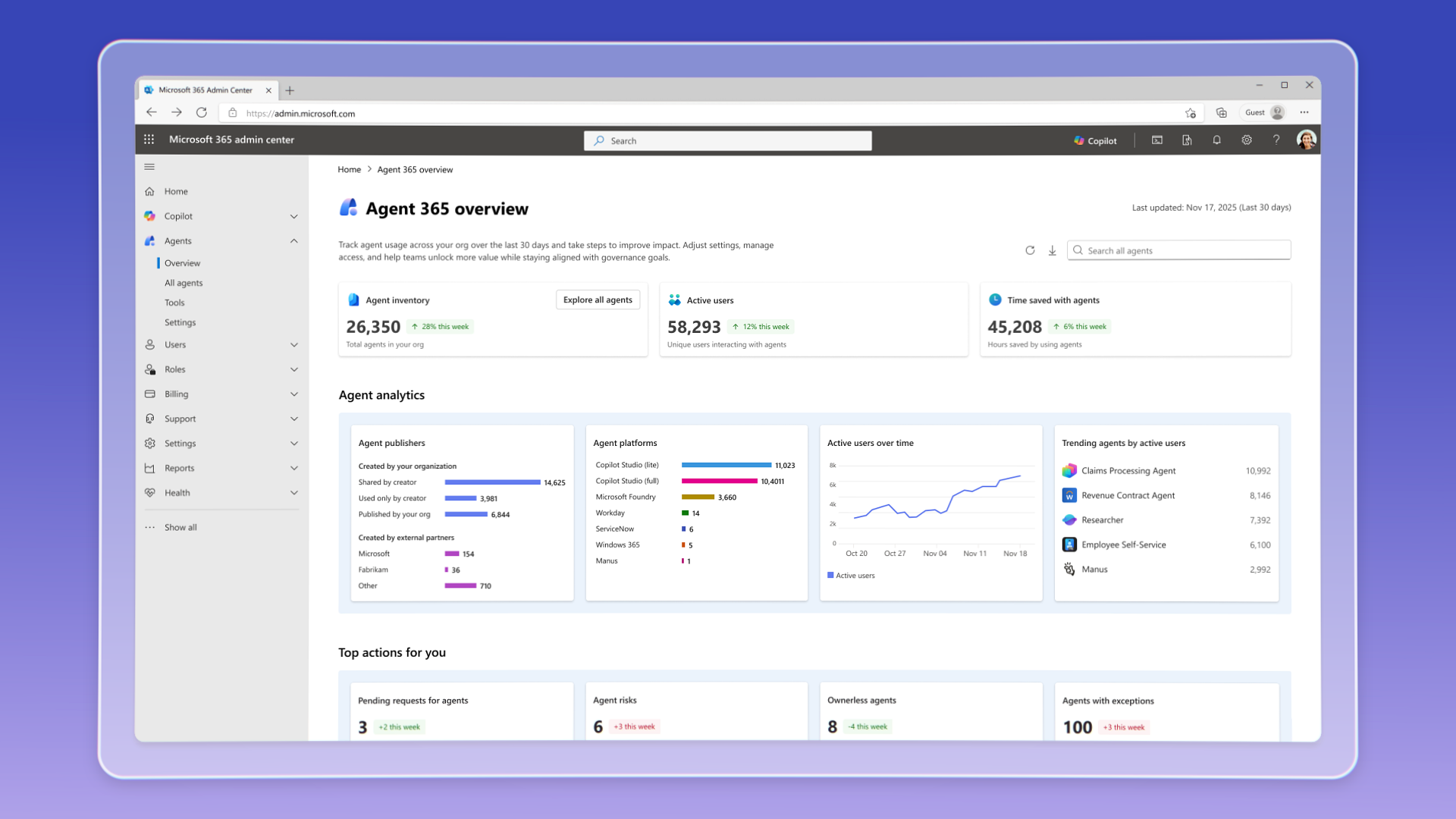
Agent 365 has been generally available commercially since May 1, 2026, with per-user licensing; the sources consulted do not specify Action Center’s rollout status.
Two settings merged into the Business Central code control quantity restoration on sales and purchase orders. Both remain enabled by default; the 30.0 milestone does not establish availability in a tenant.
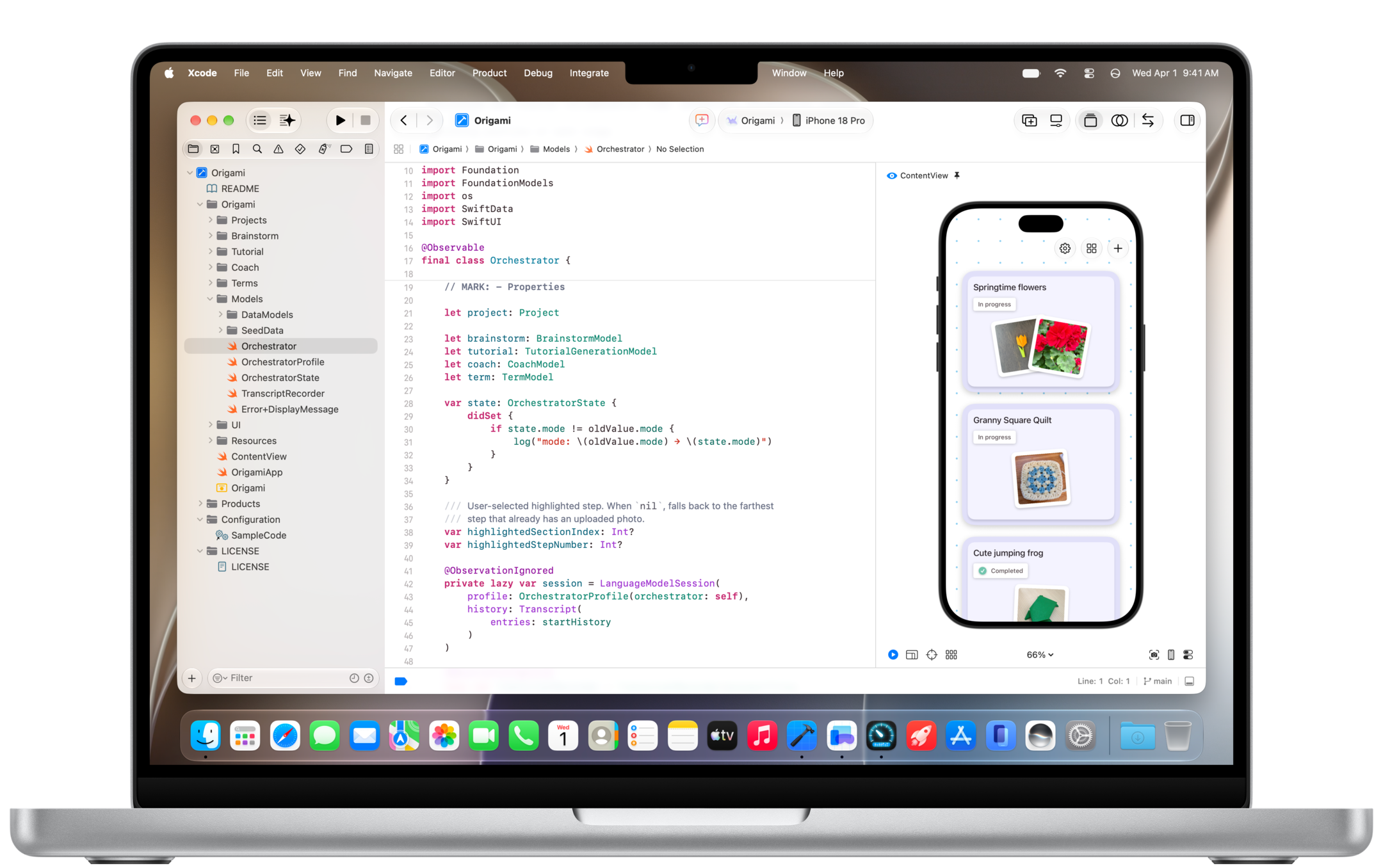
Copilot comes to Xcode's built-in coding assistant in public preview and to JetBrains Air. Agent Merge also improves pull request tracking, with different conditions depending on the environment.
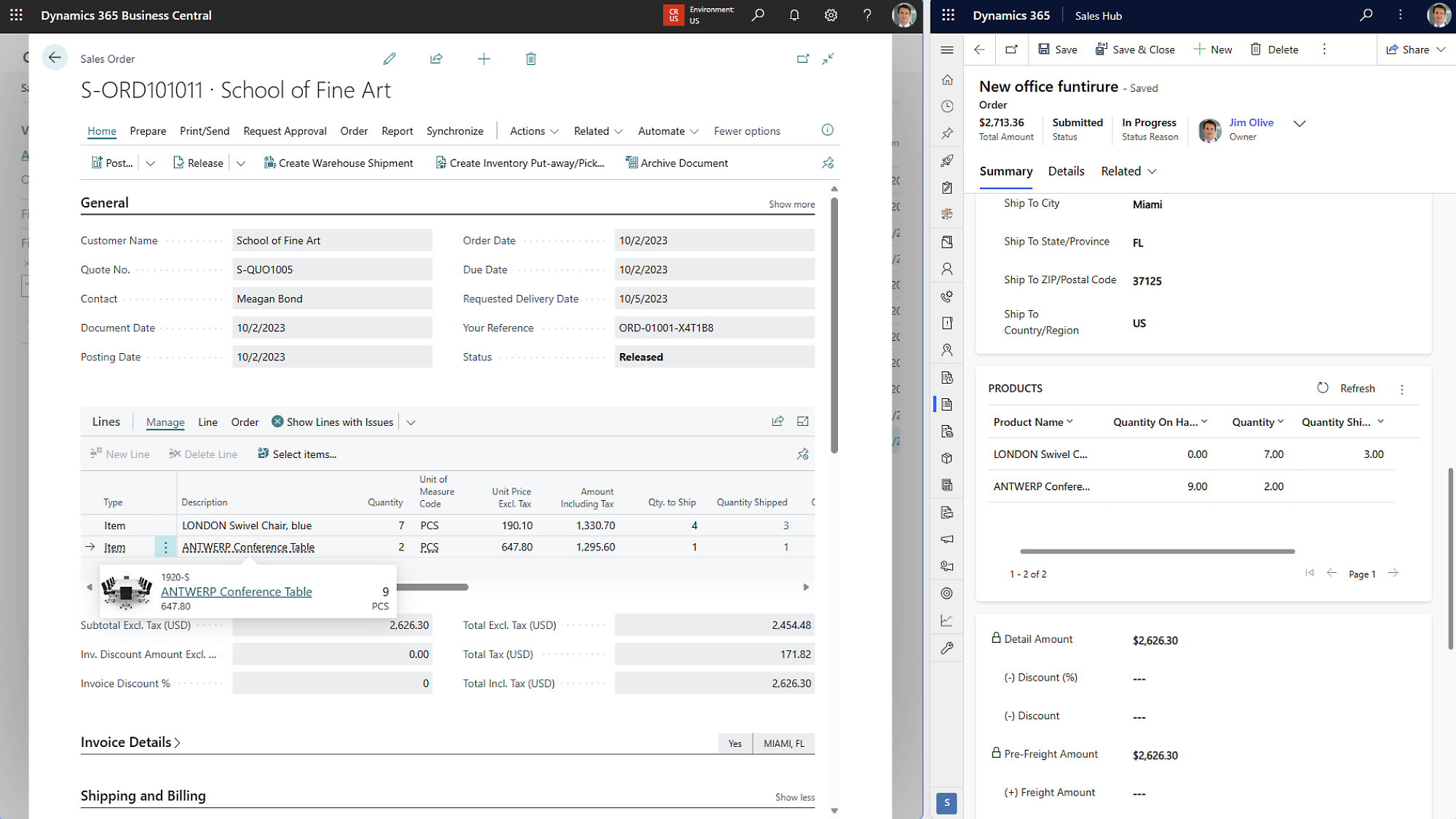
A BCApps commit describes a numbering conflict when importing Dynamics 365 Sales orders into Business Central with automatic recurring lines, relevant to acceptance testing for the sales integration.
Restrictions involving macOS 27 and Xcode 27 require a review of code extraction. Analysis without a build offers alternatives with limits that depend on the language.
The impact dashboard adds Copilot Chat and the VS Code Agents window. The broader coverage reveals more usage patterns, but requires distinguishing feature engagement, adoption phases, and comparable reporting periods.
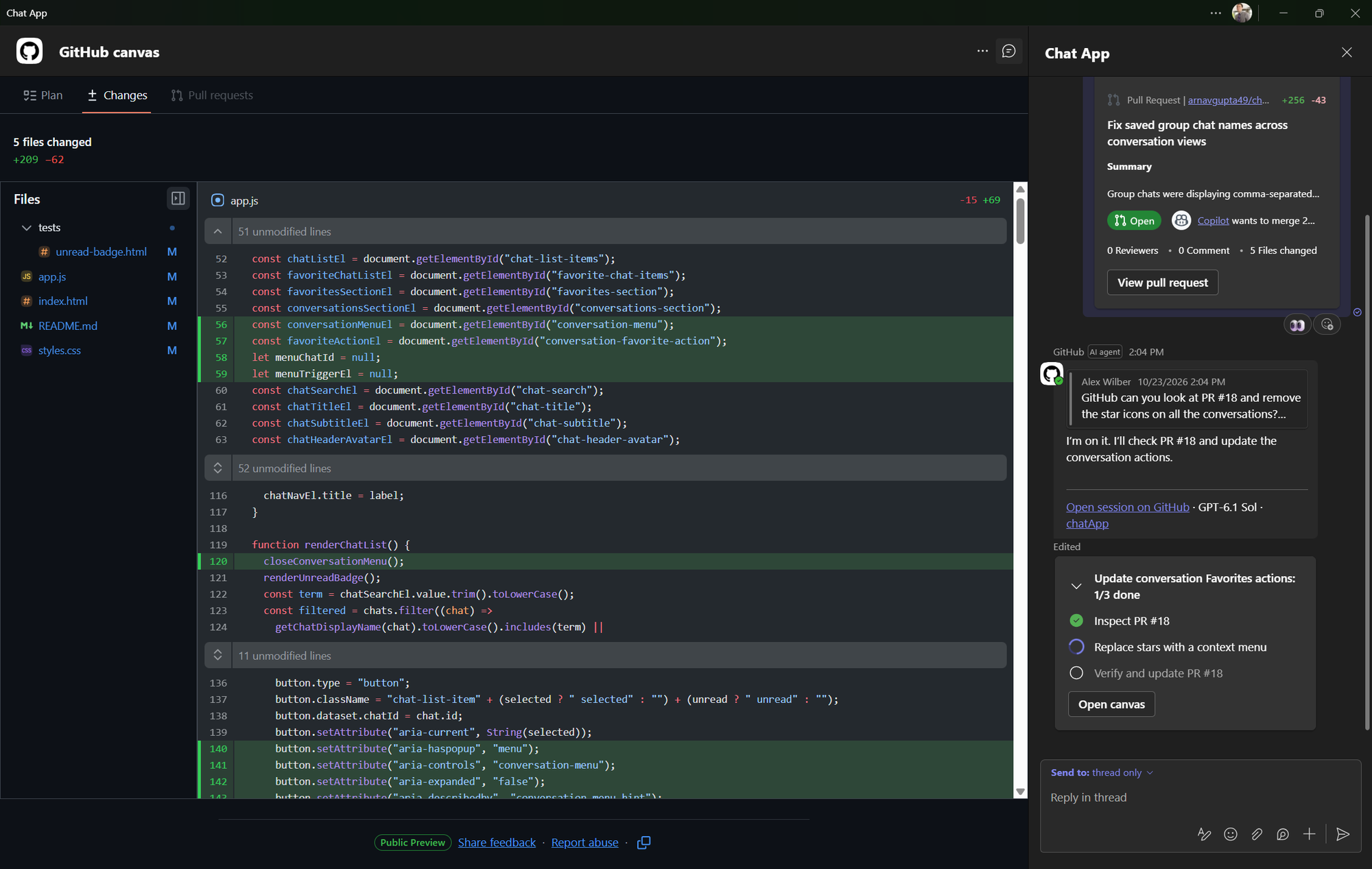
Canvas lets teams follow the plan and review changes alongside their Teams conversation. Access requires a paid Copilot plan and remains subject to permissions, policies and usage.
GitHub · Announcement: · Editorial review
Canvas alongside the Teams conversation. Screenshot: GitHub.
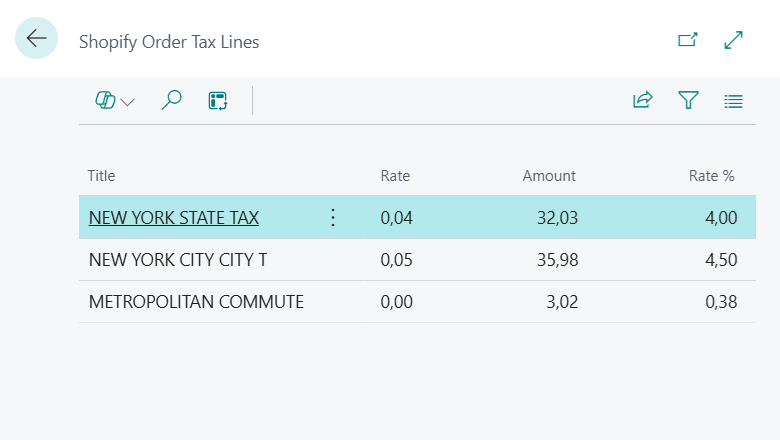
BCApps incorporates a selector change to GPT-5.6 Ceres for Shopify tax matching. Retaining controls does not establish equivalent suggestions or confirm deployment.
Microsoft · Announcement: · Editorial review
Shopify tax lines in Dynamics 365 Business Central. Archive screenshot, 2025: Microsoft.
PR #9045, merged into main and assigned to the 30.0 milestone, adds native AL XML paths. The change affects RapidStart methods and events, but does not establish availability in a shipped release.
A change merged into BCApps addresses “Nothing to handle” when an unshipped pick uses a non-default shipment bin. Its backport to the 29.x branch remains open.
UNSW and the University of Sydney pair ChatGPT Edu rollouts with assessment rules. General student access remains scheduled for 2027; demonstrating competence requires evidence of learning.
Information checked on November 8, 2026 against OpenAI's announcement and official sources from both universities. General student access dates remain planned. The workplace application and exercise described are Nexo editorial proposals, with no experimental results attributed to them.
The announcement OpenAI published on November 5 brings together collaborations with Australian universities to incorporate AI into education. Two cases, UNSW Sydney and the University of Sydney, help examine a specific question: how to combine practice with these tools with assessments that establish what each student can do.
University sources describe both technology rollouts and assessment criteria. For training designers, that distinction provides a starting point: define the capability to be assessed before deciding what assistance is allowed.
Sydney's FAQ schedules general student access for Semester 1, 2027. It still describes the student pilot as planned for October 2026, without confirming completion or providing results. The rollout prioritises staff.
The university's September announcement pairs access with training and support. It also retains Cogniti as the preferred classroom tool, with ChatGPT Edu supplementing it.
Advanced features, including agents and connectors, require individual assessments before being enabled; dates and functionality may change, according to Sydney's FAQ.
UNSW: allow, prohibit or require AI according to the learning goal
On October 13, UNSW published an assessment framework with three modes. Program teams distribute these modes across the curriculum to develop and assess different capabilities.
Mode
What the assessment seeks to establish
Can use AI
Disciplinary understanding and professional judgement, with AI permitted.
Can't use AI
Independent knowledge and capabilities, without AI or other unauthorised assistance.
Must use AI
Critical, ethical, responsible and effective AI use as a learning outcome.
Sydney: secure and open assessments
Sydney describes a two-lane assessment approach: supervised, in-person assessments to establish learning outcomes, and open assessments. The combination is planned across programs; individual units specify their tasks and instructions.
Its responsible-use guidance allows AI in open assessments and requires students to acknowledge its use. In secure assessments, AI is generally prohibited unless expressly authorised in the unit outline. Access to a tool does not change those conditions.
Nexo's interpretation: questions for training managers
Our interpretation is that these cases offer useful questions for designing workplace training. Applying them at work requires adapting objectives, tasks and criteria; this is neither advice from the universities to businesses nor evidence validating that transfer.
What knowledge should participants demonstrate independently, and in what situation will they need to apply it?
Which task requires learning to collaborate with AI, and how will that capability be observed?
What evidence of the process will be required: verified sources, identified errors, justified changes or explanations of decisions?
How will participants subsequently demonstrate that they can solve a variation of the problem?
Synthetic example: resolving a project issue
Nexo proposes the following fictional exercise, with no client data or real results. The starting material would be a simulated case file containing a delay, task dependencies and team messages. The objective would be to assess diagnosis and judgement when preparing a response.
First, participants independently identify the likely cause of the delay, supporting evidence and missing information, without AI.
Next, they use AI to prepare a response to the team and check each proposal against the case file. They submit a revised version and explain what they accepted, corrected or rejected.
Finally, they answer questions about their decisions and solve a small variation of the case without assistance.
What would need to be measured
For this exercise, we propose separately assessing diagnostic accuracy, evidence verification, justification of decisions and subsequent performance without assistance. The quality of the final text would be only one part of the assessment.
The sources consulted describe policies and implementation plans, but do not provide a controlled comparison establishing learning or workplace productivity gains from these two rollouts. Announcements of access and the existence of assessment rules should be read within that limit.
Created with AI assistance and reviewed by Nexo Community. Practical proposals and editorial interpretation are distinguished from documented facts.