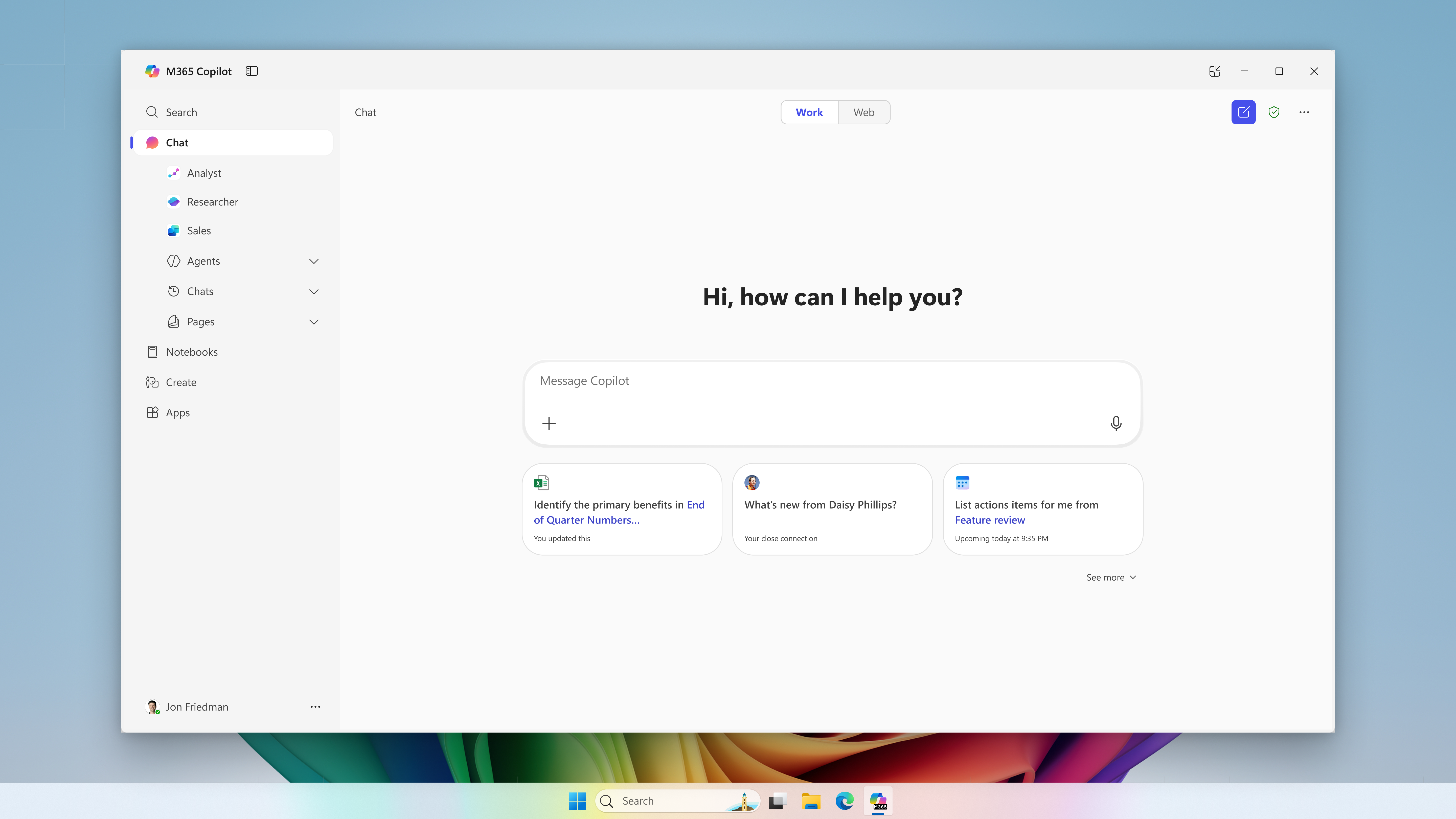
Microsoft extends usage limits to additional Copilot Chat features for users without a Microsoft 365 Copilot license in commercial organizations. The notifications call for support preparation and a review of license requests, without turning every limit into a recommendation to buy.
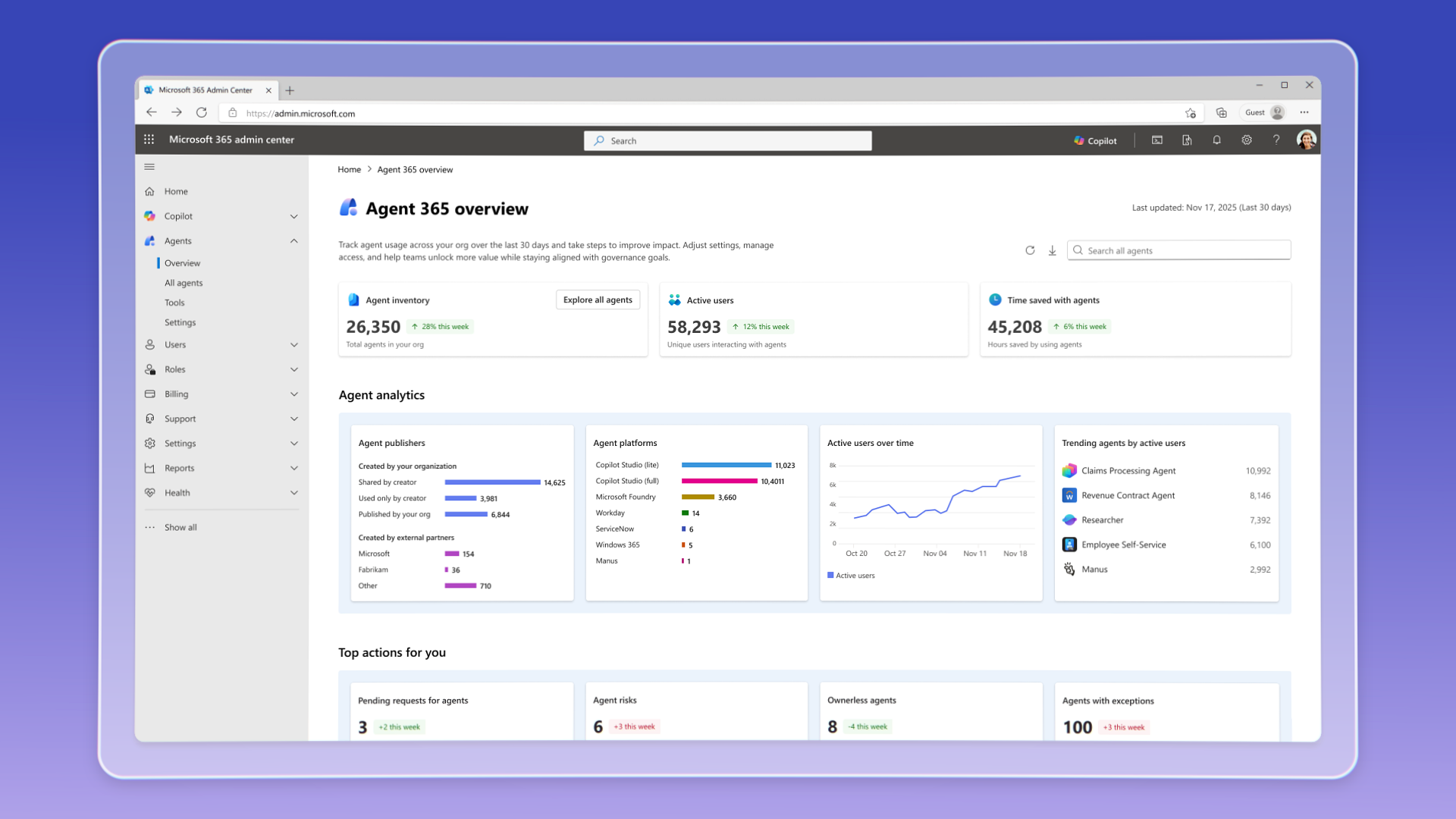
Agent 365 has been generally available commercially since May 1, 2026, with per-user licensing; the sources consulted do not specify Action Center’s rollout status.
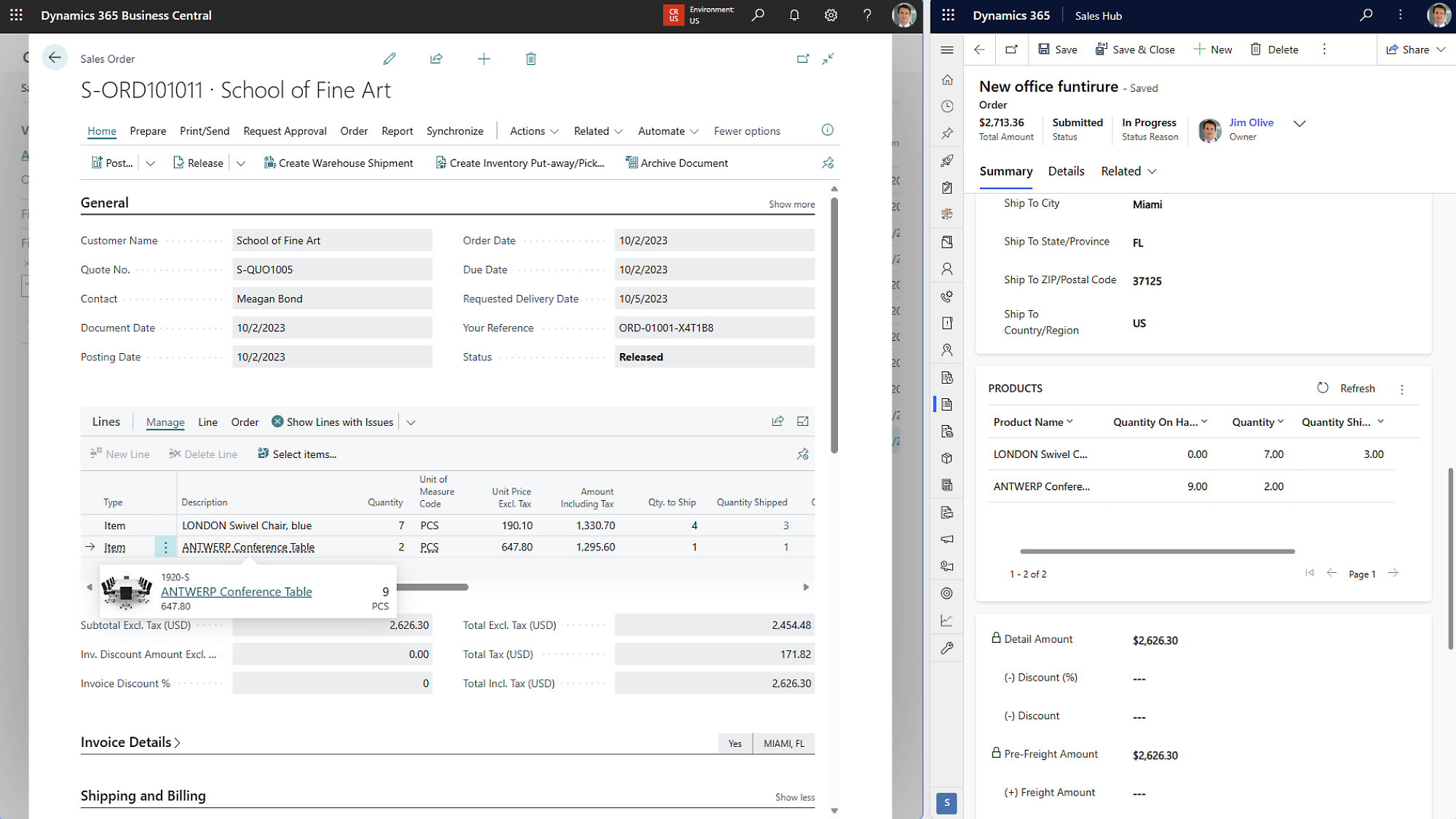
Two settings merged into the Business Central code control quantity restoration on sales and purchase orders. Both remain enabled by default; the 30.0 milestone does not establish availability in a tenant.
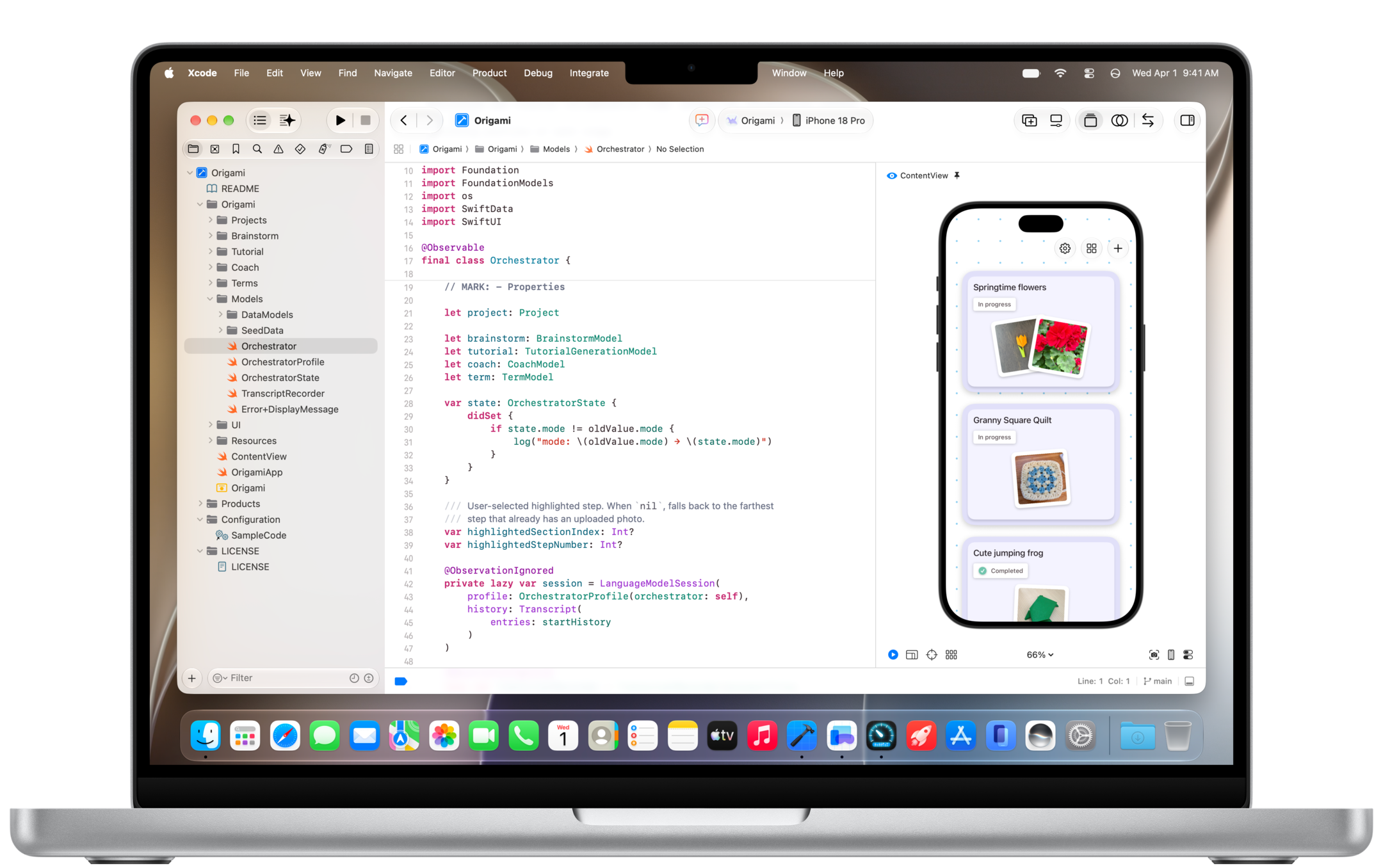
Copilot comes to Xcode's built-in coding assistant in public preview and to JetBrains Air. Agent Merge also improves pull request tracking, with different conditions depending on the environment.
A BCApps commit describes a numbering conflict when importing Dynamics 365 Sales orders into Business Central with automatic recurring lines, relevant to acceptance testing for the sales integration.
Restrictions involving macOS 27 and Xcode 27 require a review of code extraction. Analysis without a build offers alternatives with limits that depend on the language.
The impact dashboard adds Copilot Chat and the VS Code Agents window. The broader coverage reveals more usage patterns, but requires distinguishing feature engagement, adoption phases, and comparable reporting periods.
Scope and access conditions checked against GitHub's public sources on November 8, 2026. The breakdown applies to aggregate organization and enterprise 28-day reports. No organization data has been accessed and no original results have been measured.
On November 6, 2026, GitHub announced that the Agent adoption chart in the Copilot impact dashboard now includes Copilot Chat and the VS Code Agents window. The breakdown covers nine experiences. According to the official announcement, aggregate organization and enterprise 28-day reports also add `chat` and `vscode_agent` entries under `copilot_feature_engagement.totals_by_feature`.
The update broadens the activity shown; it does not change adoption phases or cohort sizes. Chat-first users also replaces the Passive users label.
Feature engagement and adoption phases measure different things
The breakdown considers a person engaged with a feature when they use it on at least two days during the 28-day period. One person can appear under several features, as GitHub explains in its September announcement. The categories represent counts that can overlap.
The cohort documentation distinguishes that usage from the activity required to qualify for a phase. Chat-first users groups active people who have not used a qualifying feature on at least two days. The API value remains `No Cohort`.
Using chat or the Agents window does not, by itself, count toward phase progression. Agent edits can count: making changes to files and conversing with an agent are different signals. The chat breakdown also includes agent mode, so people making agent edits appear under chat too.
Synthetic example: two feature counts can represent one person
This Nexo example uses fictional people and a 28-day window. It assumes that only the activity described occurs; it does not represent an organization's data or results.
Activity
Feature engagement
Cohort
Person A: chat on four days, with no edits or other features
Chat
Chat-first users
Person B: agent edits on two days, with no other features
Chat and agent edit
Phase 1: Code first
Access, reports, and comparisons over time
The dashboard access guide requires the Copilot usage metrics policy to be enabled. Enterprise owners and billing managers, organization owners, and people with custom roles granting the relevant Copilot metrics viewing permission can access the data.
This breakdown is available in aggregate organization and enterprise 28-day reports; it is not added to user-level reports. The official API supplies the dates covered by each report. Those dates help identify the actual interval being compared.
Reports for periods before the change retain the original seven features. Nexo therefore recommends recording the coverage change and comparing the same features when examining historical trends: chat's absence from an older report does not establish that its usage was zero.
Nexo's interpretation: better questions about work
In the example, Person B appears under two features and remains one person. Adding the categories as if they represented unique users would inflate the total. Person A, meanwhile, uses chat regularly without qualifying for an adoption phase.
Our interpretation is that the broader coverage helps investigate which tasks people handle through conversation and where training might help. These signals alone do not demonstrate improved productivity or a financial return. Supporting those conclusions requires additional outcomes and analysis that accounts for differences between tasks, teams, and reporting periods.
Created with AI assistance and reviewed by Nexo Community. Practical proposals and editorial interpretation are distinguished from documented facts.