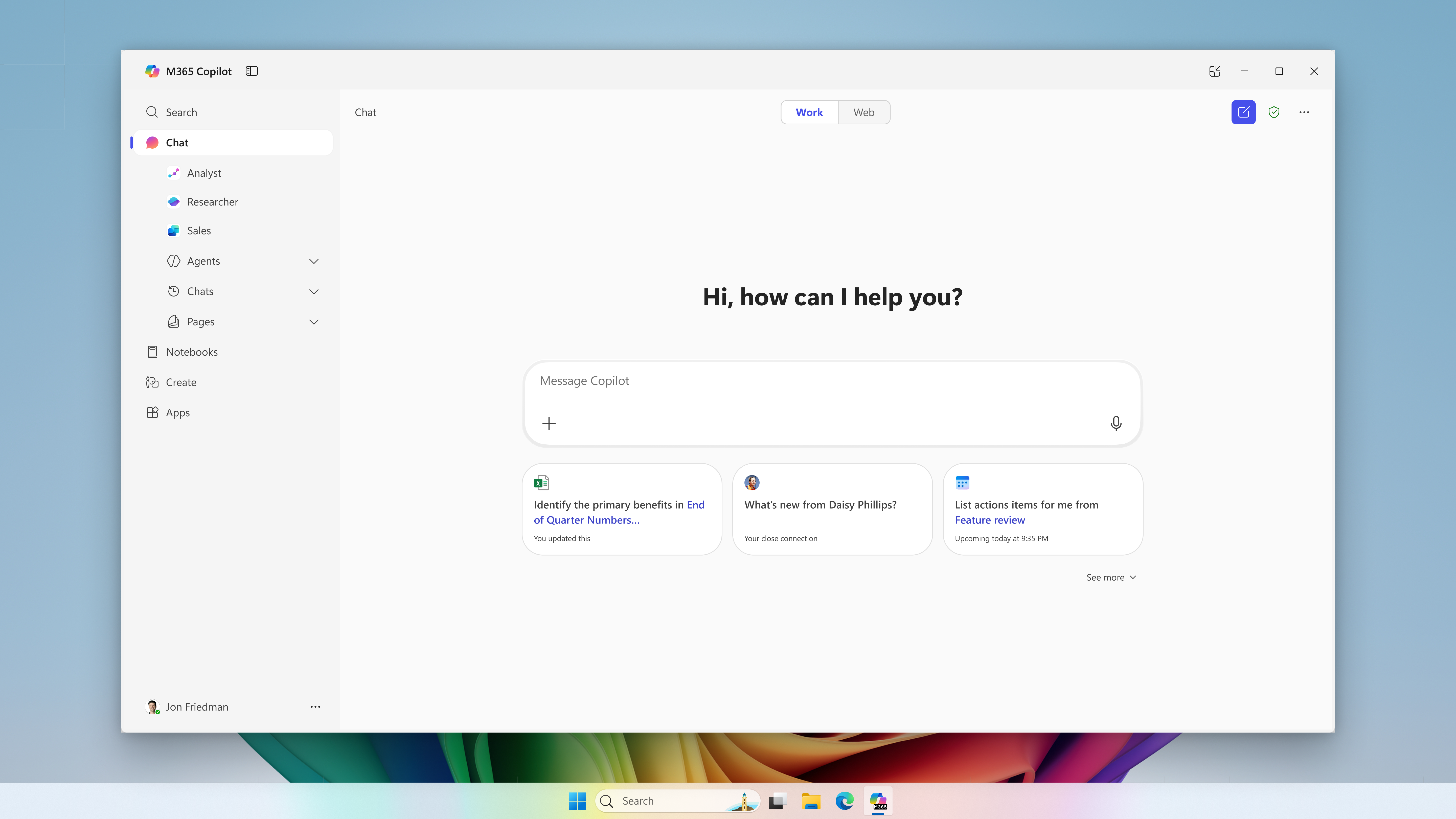
Microsoft extends usage limits to additional Copilot Chat features for users without a Microsoft 365 Copilot license in commercial organizations. The notifications call for support preparation and a review of license requests, without turning every limit into a recommendation to buy.
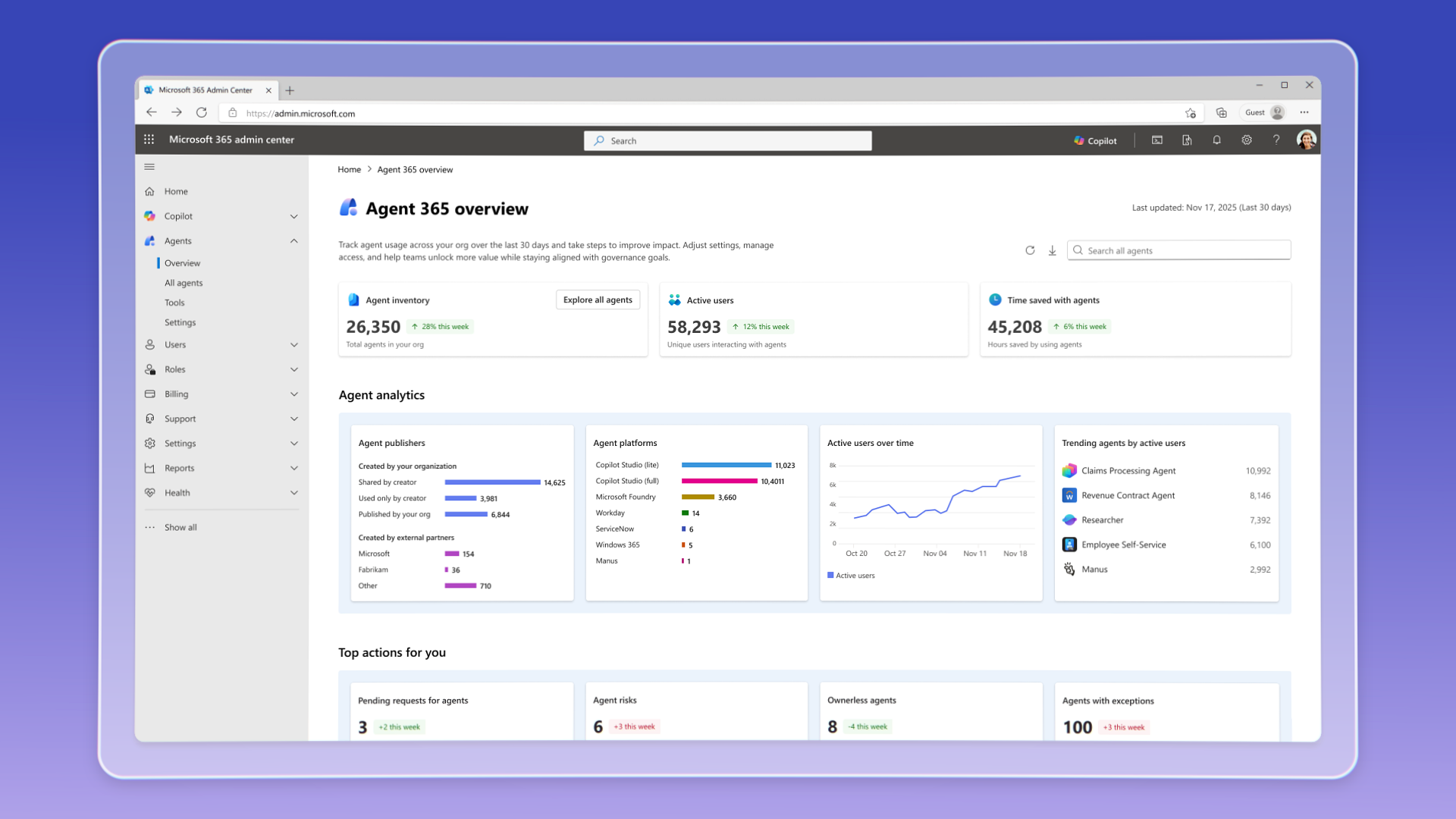
Agent 365 has been generally available commercially since May 1, 2026, with per-user licensing; the sources consulted do not specify Action Center’s rollout status.
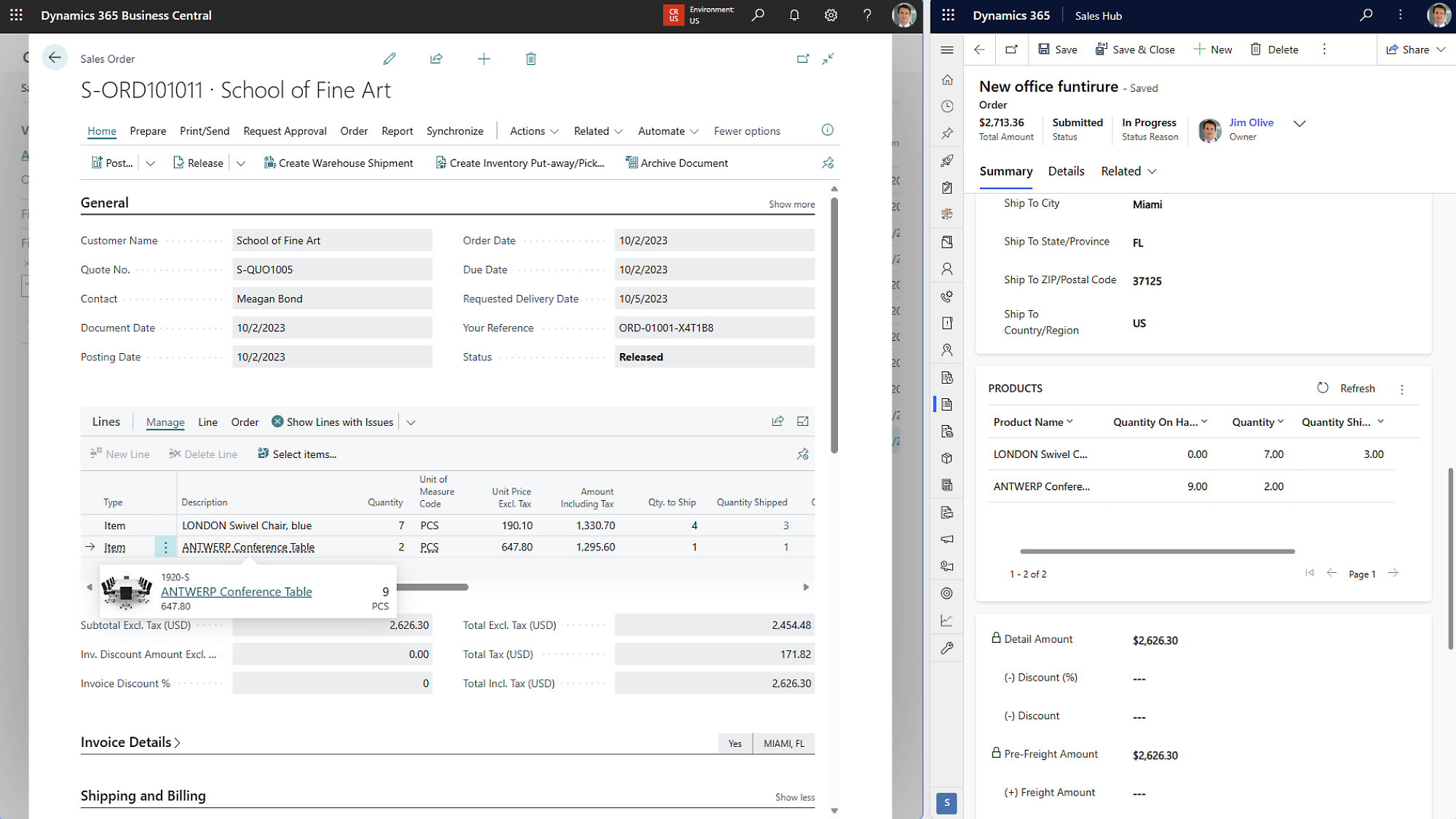
Two settings merged into the Business Central code control quantity restoration on sales and purchase orders. Both remain enabled by default; the 30.0 milestone does not establish availability in a tenant.
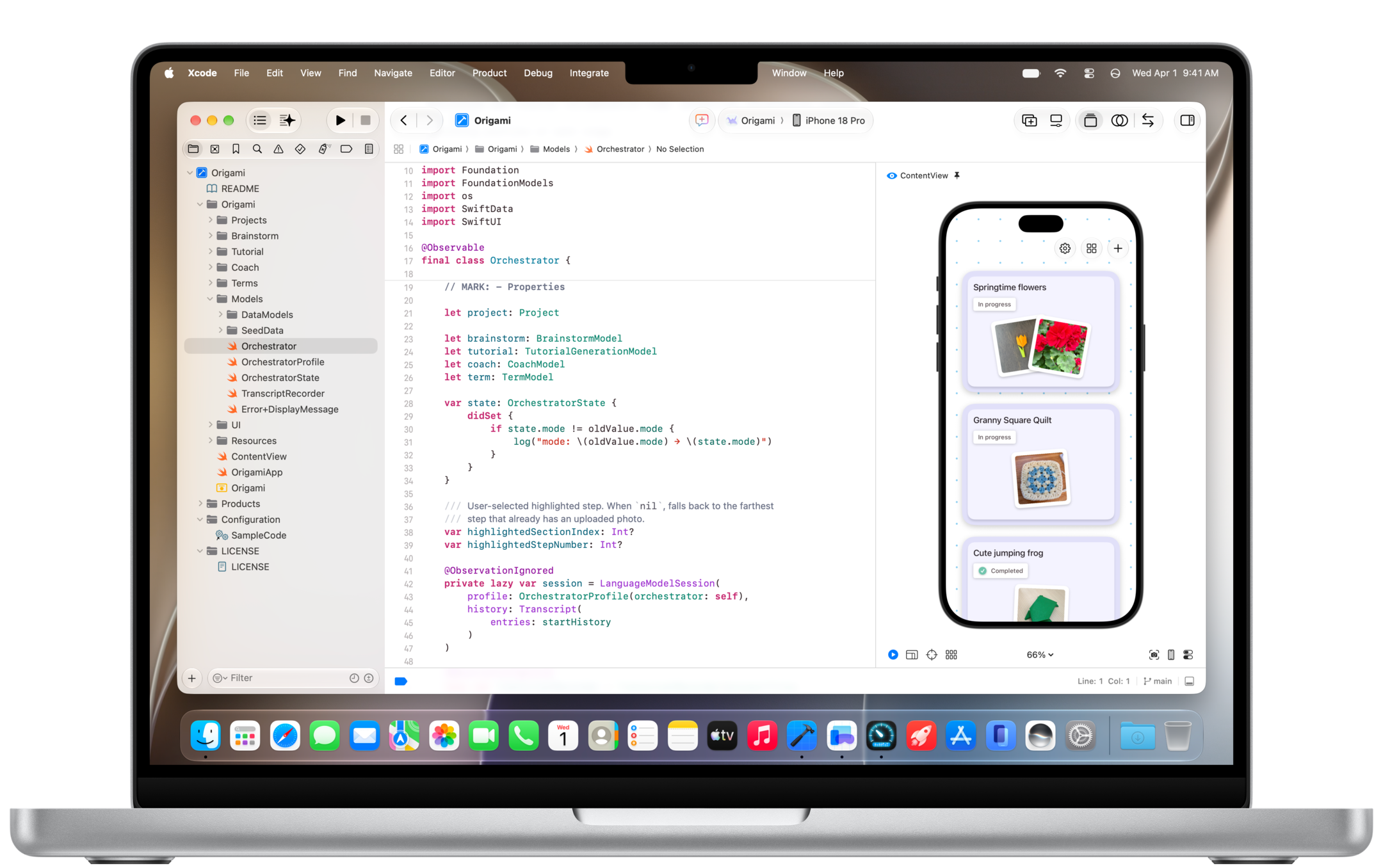
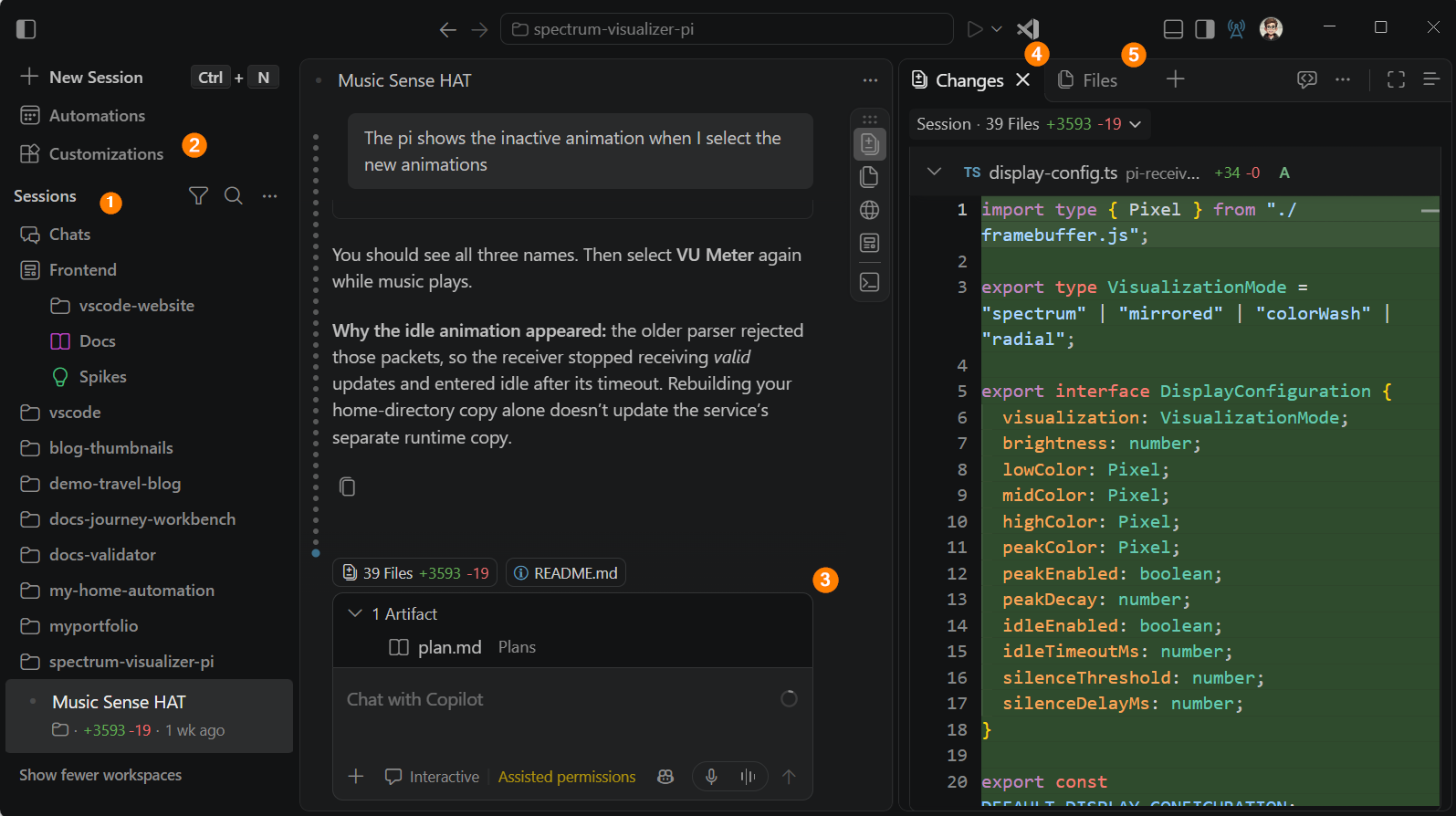
Copilot comes to Xcode's built-in coding assistant in public preview and to JetBrains Air. Agent Merge also improves pull request tracking, with different conditions depending on the environment.
A BCApps commit describes a numbering conflict when importing Dynamics 365 Sales orders into Business Central with automatic recurring lines, relevant to acceptance testing for the sales integration.
Restrictions involving macOS 27 and Xcode 27 require a review of code extraction. Analysis without a build offers alternatives with limits that depend on the language.
The impact dashboard adds Copilot Chat and the VS Code Agents window. The broader coverage reveals more usage patterns, but requires distinguishing feature engagement, adoption phases, and comparable reporting periods.
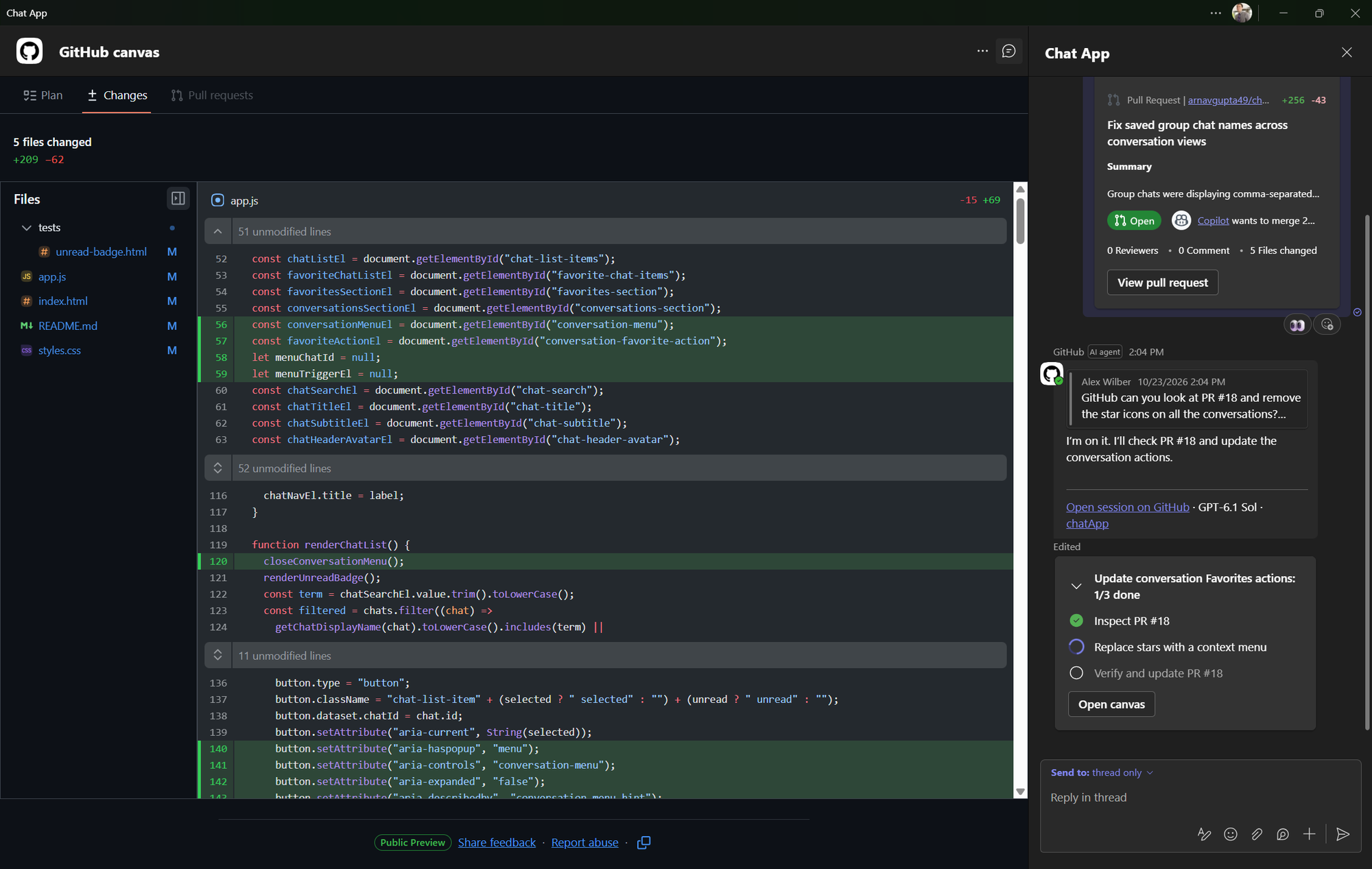
Canvas lets teams follow the plan and review changes alongside their Teams conversation. Access requires a paid Copilot plan and remains subject to permissions, policies and usage.
GitHub · Announcement: · Editorial review
Canvas alongside the Teams conversation. Screenshot: GitHub.
Documentary check: November 8, 2026. Reviewed the diff, merged pull request and public build and CI/CD statuses. The PR carries the 30.0 milestone, with no customer-distributed build identified in the consulted sources. Nexo has neither built nor run the change.
Microsoft merged BCApps PR 13725 into `main` on November 6, 2026. The pull request carries the 30.0 milestone.
The affected process serves a specific accounting purpose. Cost adjustment forwards cost changes to related entries, as explained in Microsoft’s documentation. For average costing, Business Central uses a periodic weighted average; the configured period and grouping define the calculation. Microsoft describes this in its average-cost design details.
What changes in data retrieval
The commit diff modifies codeunit 5895, Inventory Adjustment, in the W1, APAC and RU variants. Its main changes are:
Cache `Positive` by item ledger entry number and clear the cache in `DeleteAvgBuffers`.
Expand the field-loading lists for application chains and other subsequent operations.
Remove two calls to the `LoadFields` helper in paths that copy value entries into temporary buffers.
What the validation establishes
The PR description retains a contradiction: its checklist marks local building and execution as completed, but the explanation says neither was performed and relies on CI. That text does not establish that local testing occurred.
Public automation evidence is available: the PR’s W1 build succeeded, and CI/CD for the merged commit reports Success. Full logs require signing in. These statuses provide no comparative performance measurement and do not constitute independent reproduction by Nexo.
Nexo’s interpretation: check which fields are needed
The AL partial-record documentation explains the mechanism: accessing an unloaded field can trigger an additional just-in-time, or JIT, read. It also warns that copying partial records into temporary records requires loading every field. Selecting fewer columns initially can lose its advantage if the next operation needs to retrieve them.
Our editorial interpretation is that the change addresses redundant data-access work. The size of any benefit needs measurement against a specific workload. Fewer reads alone also cannot establish that execution time will grow linearly as entry counts increase.
An evaluation example using synthetic data
As a Nexo proposal, a test could compare two builds that allow the change to be isolated, restoring the same data copy before each run. Configuration, extensions and resources would remain constant. A synthetic dataset would include purchases, sales, returns and item charges for average-cost items, with runs repeated at increasing volumes. This example presents no measured results.
Microsoft documents that cost adjustment logs expose duration and cost differences for each run. Investigating reads additionally requires data-access profiling.
What to check
Test criterion
Duration
Repeat runs and record the variation.
Data access
Compare reads and additional loads using the same profiling method.
Costing results
Compare value entries and amounts alongside execution time.
Scaling
Increase volume while keeping other conditions constant.
Availability: the distributed build remains unidentified
The milestone indicates planning. The consulted sources do not identify a customer-available build containing the change. Attributing an improvement in a particular environment requires first confirming inclusion in that version and then measuring the process.
Created with AI assistance and reviewed by Nexo Community. Practical proposals and editorial interpretation are distinguished from documented facts.