Microsoft extends usage limits to additional Copilot Chat features for users without a Microsoft 365 Copilot license in commercial organizations. The notifications call for support preparation and a review of license requests, without turning every limit into a recommendation to buy.
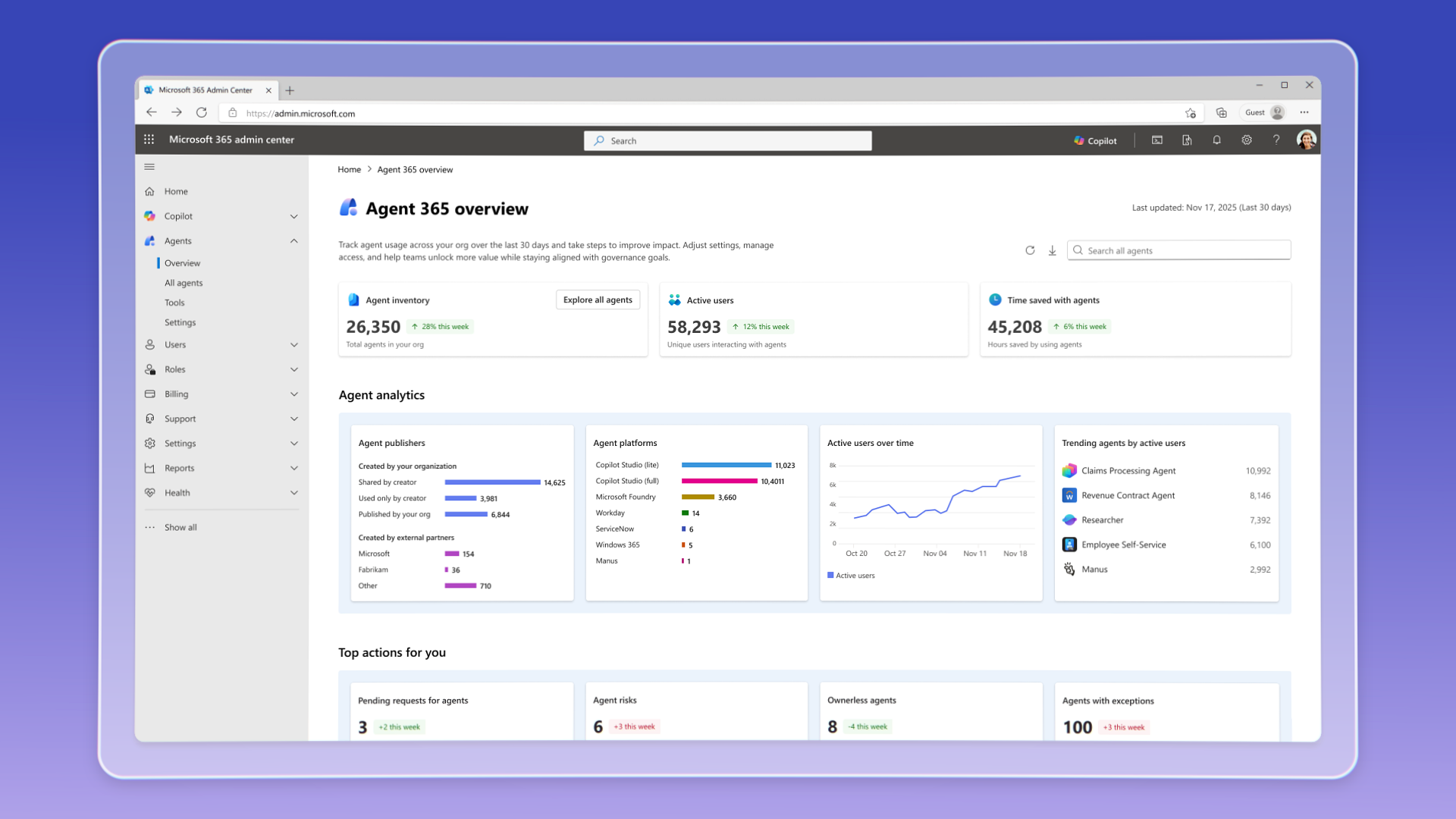
Agent 365 has been generally available commercially since May 1, 2026, with per-user licensing; the sources consulted do not specify Action Center’s rollout status.
Two settings merged into the Business Central code control quantity restoration on sales and purchase orders. Both remain enabled by default; the 30.0 milestone does not establish availability in a tenant.
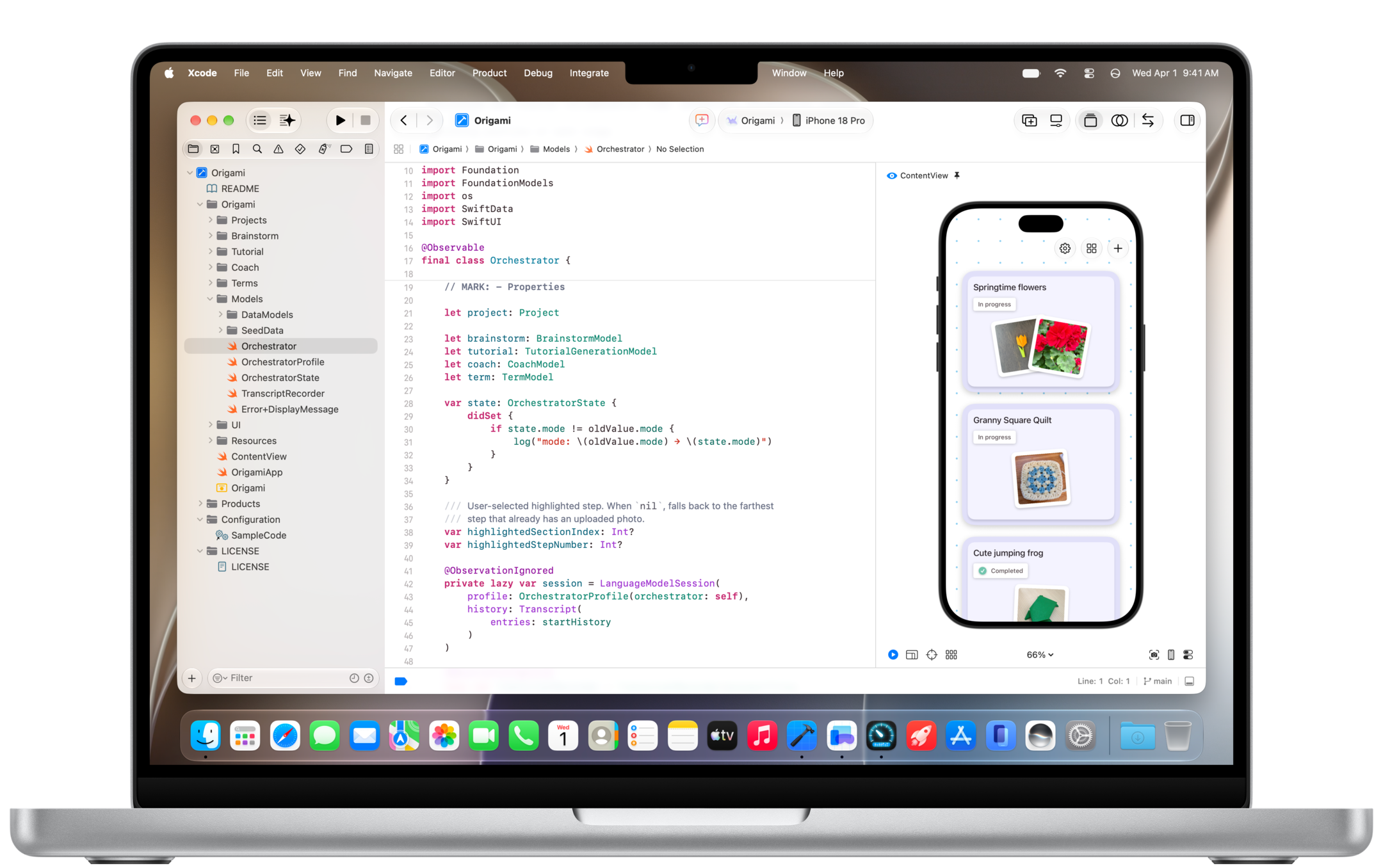
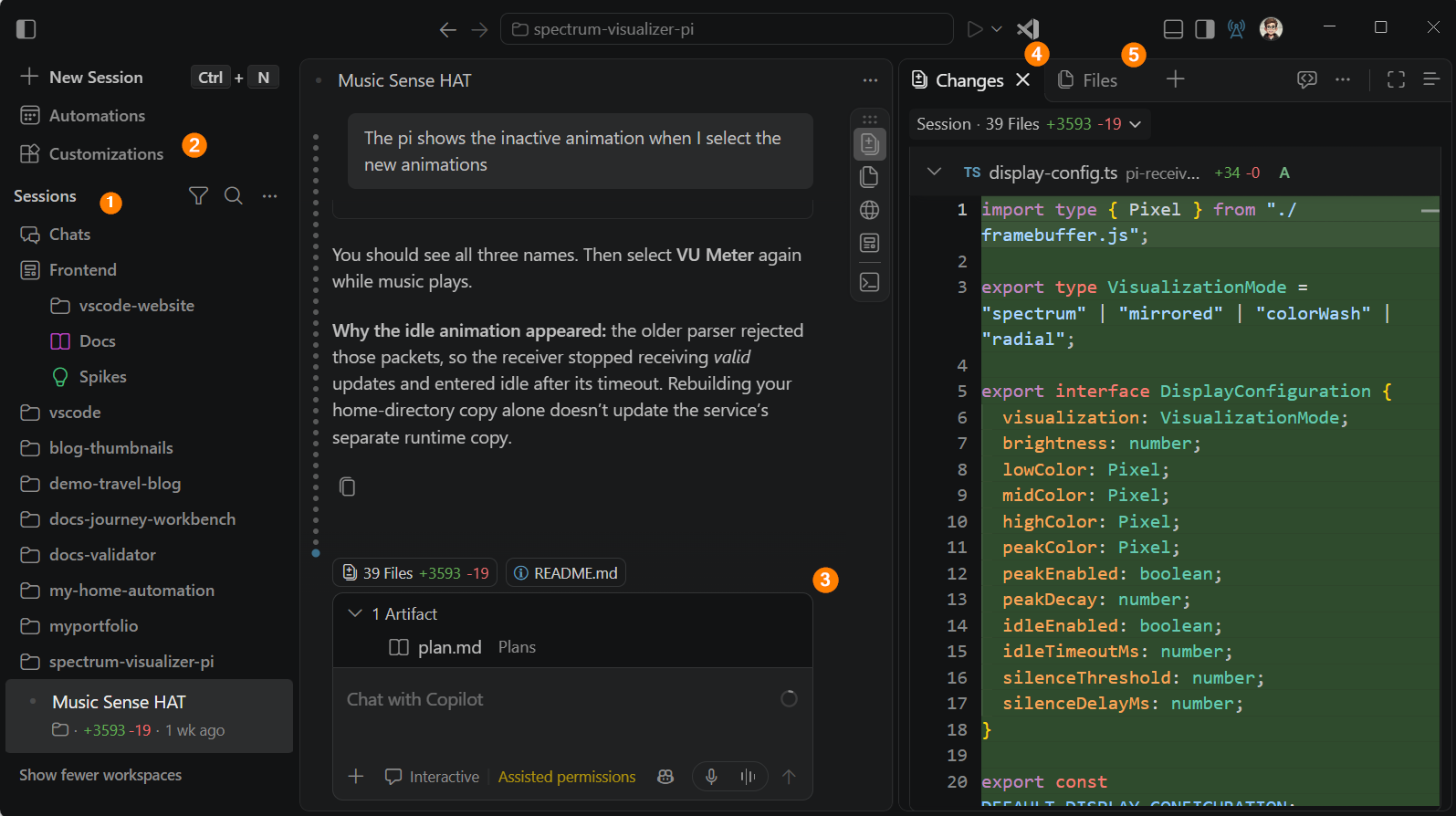
Copilot comes to Xcode's built-in coding assistant in public preview and to JetBrains Air. Agent Merge also improves pull request tracking, with different conditions depending on the environment.
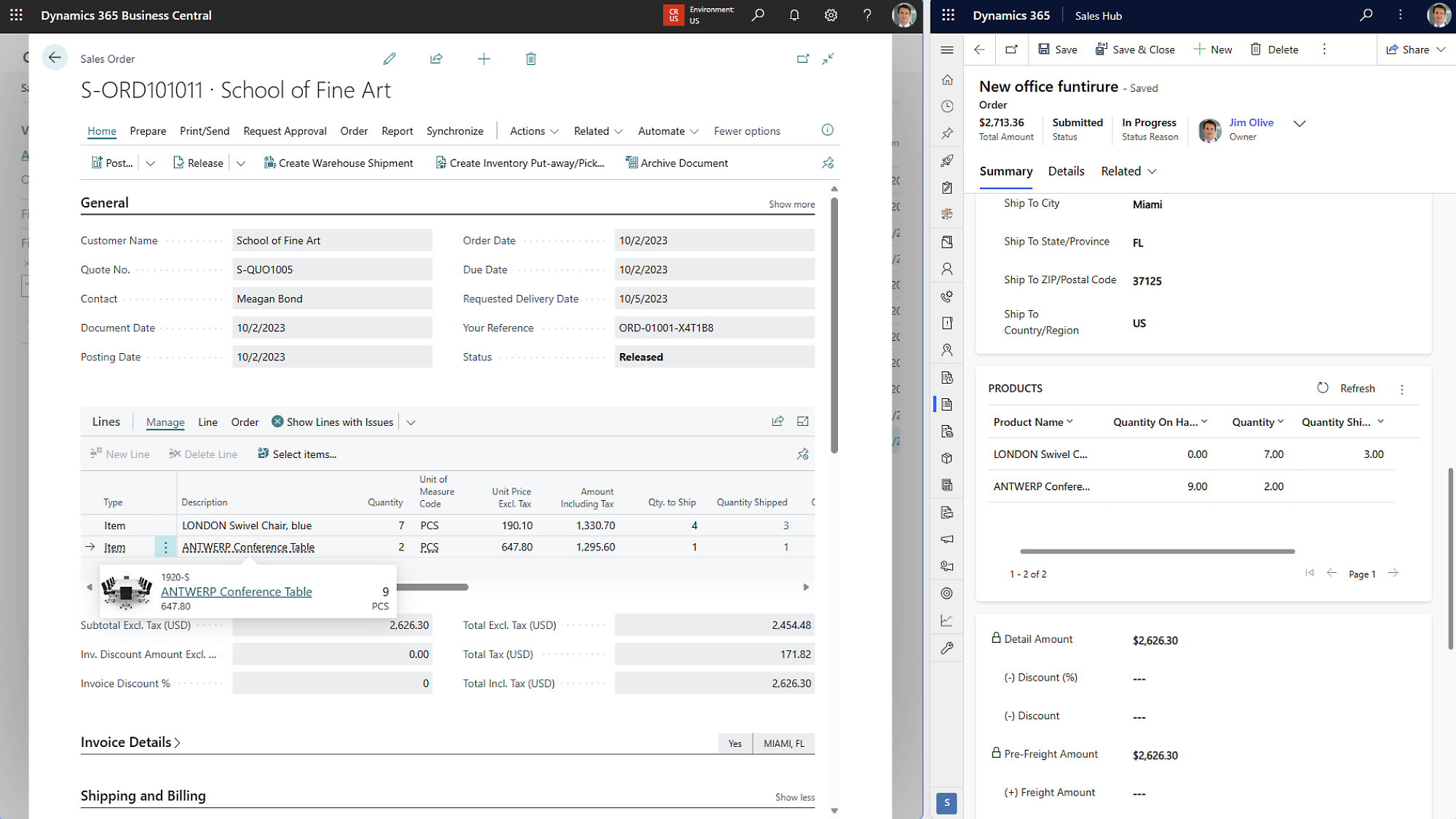
A BCApps commit describes a numbering conflict when importing Dynamics 365 Sales orders into Business Central with automatic recurring lines, relevant to acceptance testing for the sales integration.
Restrictions involving macOS 27 and Xcode 27 require a review of code extraction. Analysis without a build offers alternatives with limits that depend on the language.
The impact dashboard adds Copilot Chat and the VS Code Agents window. The broader coverage reveals more usage patterns, but requires distinguishing feature engagement, adoption phases, and comparable reporting periods.
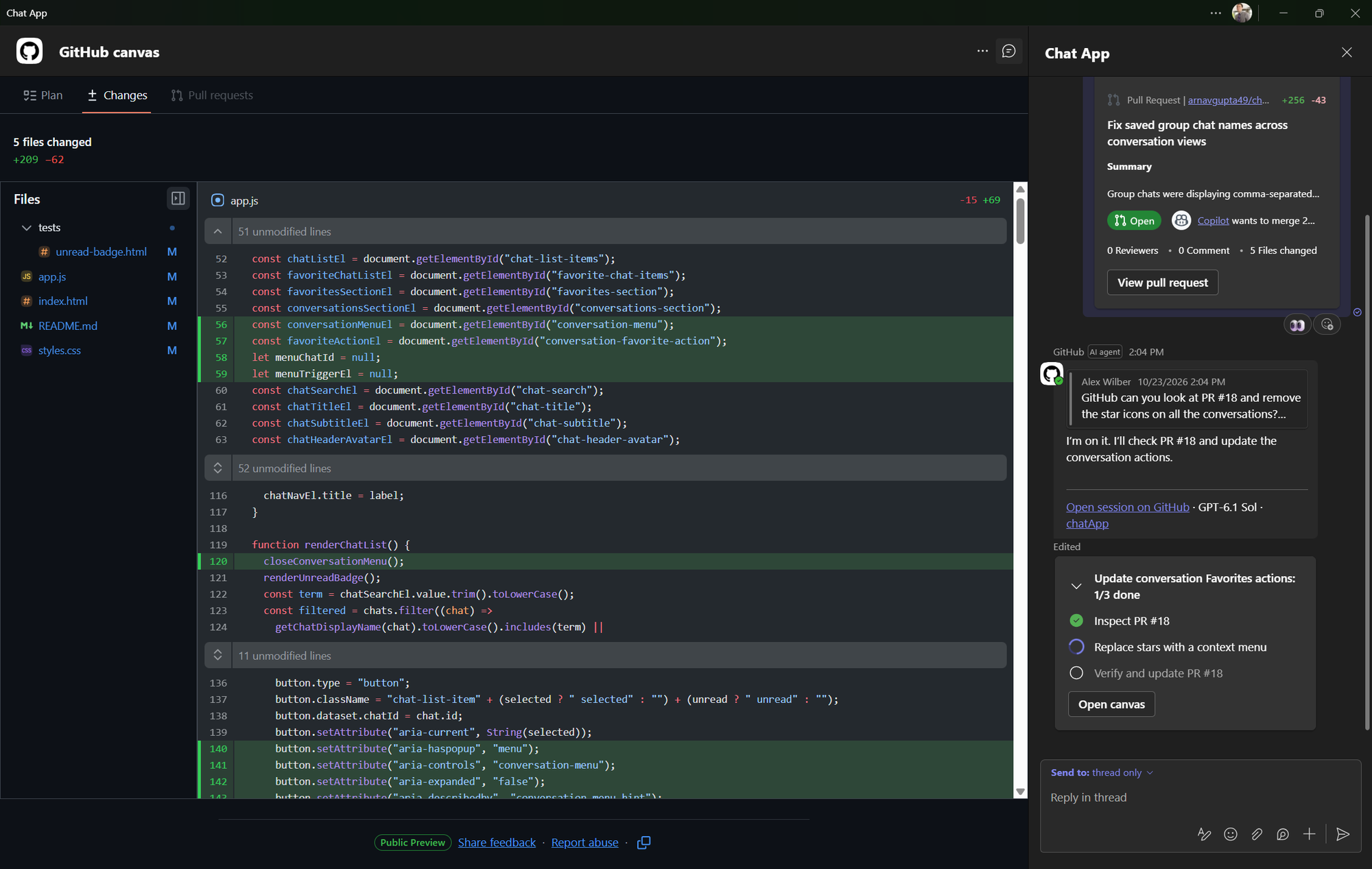
Canvas lets teams follow the plan and review changes alongside their Teams conversation. Access requires a paid Copilot plan and remains subject to permissions, policies and usage.
GitHub · Announcement: · Editorial review
Canvas alongside the Teams conversation. Screenshot: GitHub.
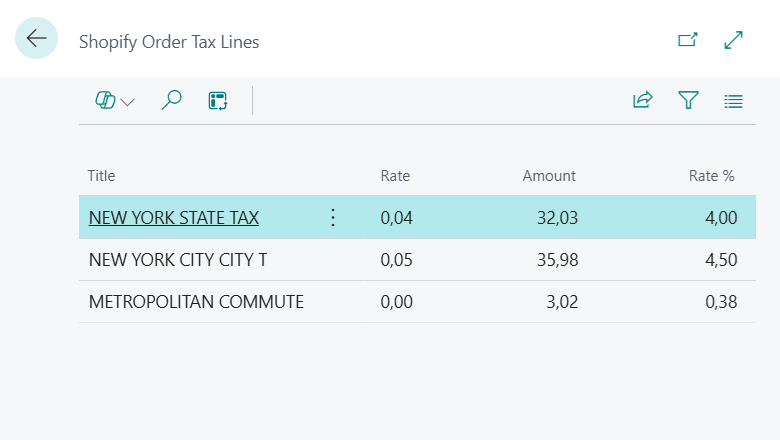
BCApps incorporates a selector change to GPT-5.6 Ceres for Shopify tax matching. Retaining controls does not establish equivalent suggestions or confirm deployment.
Microsoft · Announcement: · Editorial review
Shopify tax lines in Dynamics 365 Business Central. Archive screenshot, 2025: Microsoft.
PR #9045, merged into main and assigned to the 30.0 milestone, adds native AL XML paths. The change affects RapidStart methods and events, but does not establish availability in a shipped release.
A change merged into BCApps addresses “Nothing to handle” when an unshipped pick uses a non-default shipment bin. Its backport to the 29.x branch remains open.
Public sources checked on November 8, 2026: merge, code and tests. Documentary review, without independent execution or confirmation of deployment to environments.
Microsoft merged a warehouse availability correction into the main BCApps branch on October 23, 2026. BCApps is the Business Central applications repository. The merge is recorded in PR 12842.
According to the recorded commit, a registered but unshipped pick at a basic warehouse location can be missed by the calculation when it uses a non-default shipment bin. Validation incorrectly resets the picked quantity to zero; the reservation calculation can then block another pick with “Nothing to handle”, despite free stock remaining.
What changes in the calculation
The availability code adds a check in `CalcQtyOnShipmentBins` only when the previous result is zero. It finds shipment lines for the same item, location and variant, with a positive picked quantity and a populated, non-default bin. It reuses `CalcQtyOnBin`, preserving item-tracking filters.
The search stops when it finds a nonzero quantity. This check therefore should not be interpreted as an exhaustive total of stock across all alternative bins.
What the added tests cover
The repository tests cover the alternative destination and a default-bin control. They configure a FEFO warehouse with lot tracking: from 100 units, a first pick registers 60 without shipping, leaving 40 free. They then request another pick for 30. Assertions check its lines and that the first shipment retains its picked quantity; the second pick is not registered.
Nexo reviewed the code without running these tests. Their presence does not establish coverage of every combination of reservations, tracking and movements.
A hypothetical example for investigating an incident
This Nexo example uses different quantities from the published tests. It helps organize a check; it describes neither a real case nor an executed test. It assumes the same item, variant and lot, with no other movements.
Situation
Hypothetical quantity
What to observe
Initial stock in ORIGIN
120 units
Inventory and reservations before picking.
First pick registered into ALT1
70 units
Actual destination bin and shipment still unposted.
Physical stock remaining in ORIGIN
50 units
Difference between physical balance and calculated availability.
Second pick requested into ALT2
30 units
Proposed lines or message returned; outcome to be verified.
Nexo's interpretation for consultants and support
The practical value of this change lies in reconstructing what happened between picking and shipping. To investigate a similar case, we suggest gathering the following information before attributing it to this issue:
Installed version and build, together with the warehouse configuration.
Default shipment bin and the actual destination of each line.
Inventory by item, variant and lot or serial number, where applicable.
Quantities reserved, picked, outstanding on open picks and shipped.
Document sequence and the exact message when requesting the next pick.
Availability: merged code and an open backport
When checked on November 8, 2026, PR 13213, intended to backport the correction to `releases/29.x`, remains open and is assigned to milestone 29.1. That milestone expresses a work target; it does not establish a delivered update or an activation date.
The consulted sources do not confirm which distributed build includes the correction or whether it is present in a particular environment. Resolving an incident requires checking the installed build and testing the relevant scenario.
Created with AI assistance and reviewed by Nexo Community. Practical proposals and editorial interpretation are distinguished from documented facts.