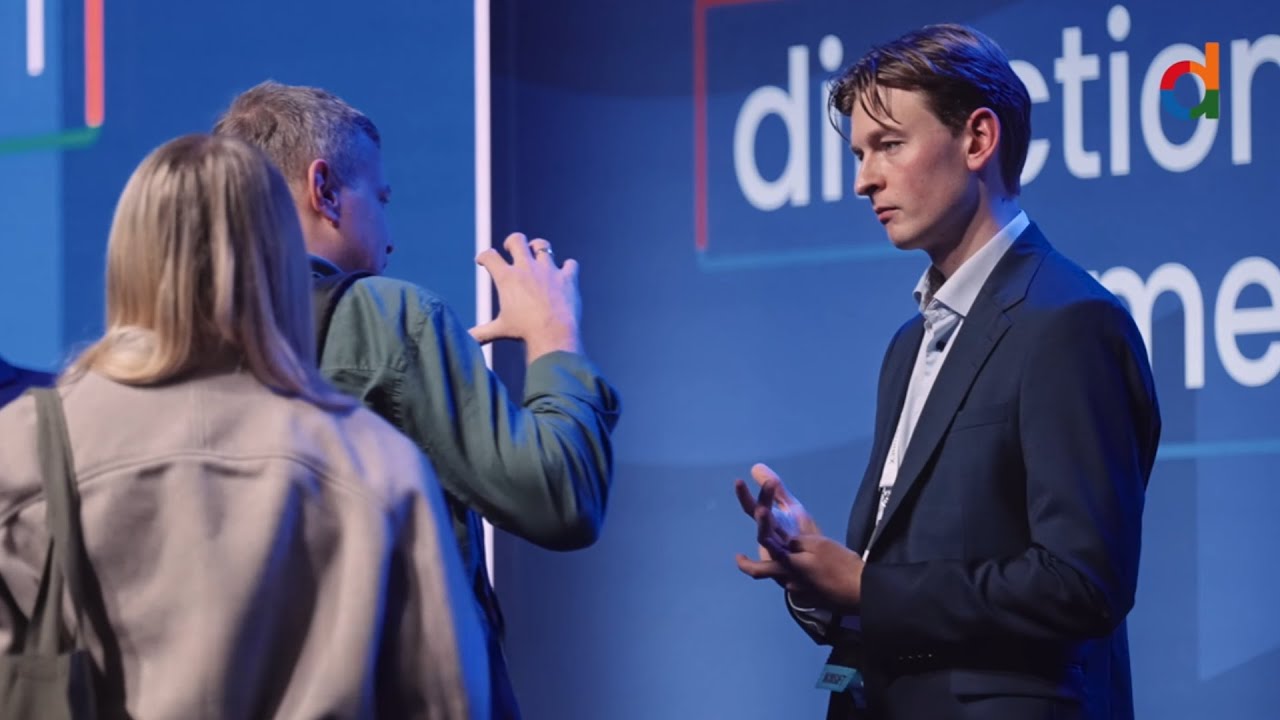
Microsoft Teams plans AI controls for organisers and IT
The roadmap envisages greater organiser control over AI use in meetings and a simpler policy model for IT.
Microsoft · Announcement: · Editorial review
AI · MICROSOFT · SHARED KNOWLEDGE
Understand what’s changing.
Discover what you can do with it.
IN FOCUS / AI & industry
Dates, registration and AI topics in the announced Paris agenda, with questions and examples for evaluating Business Central solutions.
Read the story 4 minEXPLORE NEXO
21 articles
The roadmap envisages greater organiser control over AI use in meetings and a simpler policy model for IT.
Microsoft · Announcement: · Editorial review
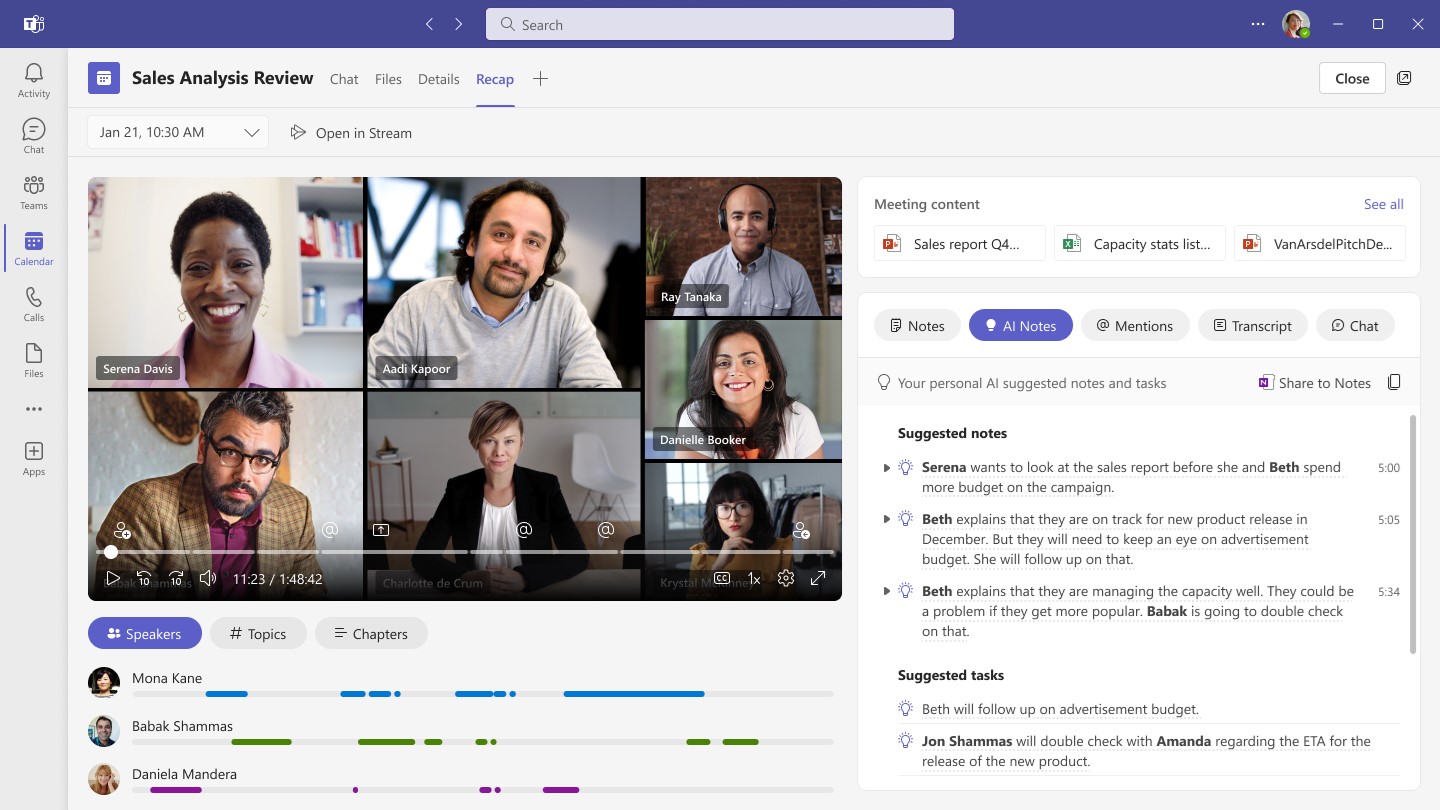
OpenAI’s API supports questions with bounded answers and up to 400 questions per request. Its usefulness in a specific workflow will depend on measured errors, latency and cost.
OpenAI · Announcement: · Editorial review
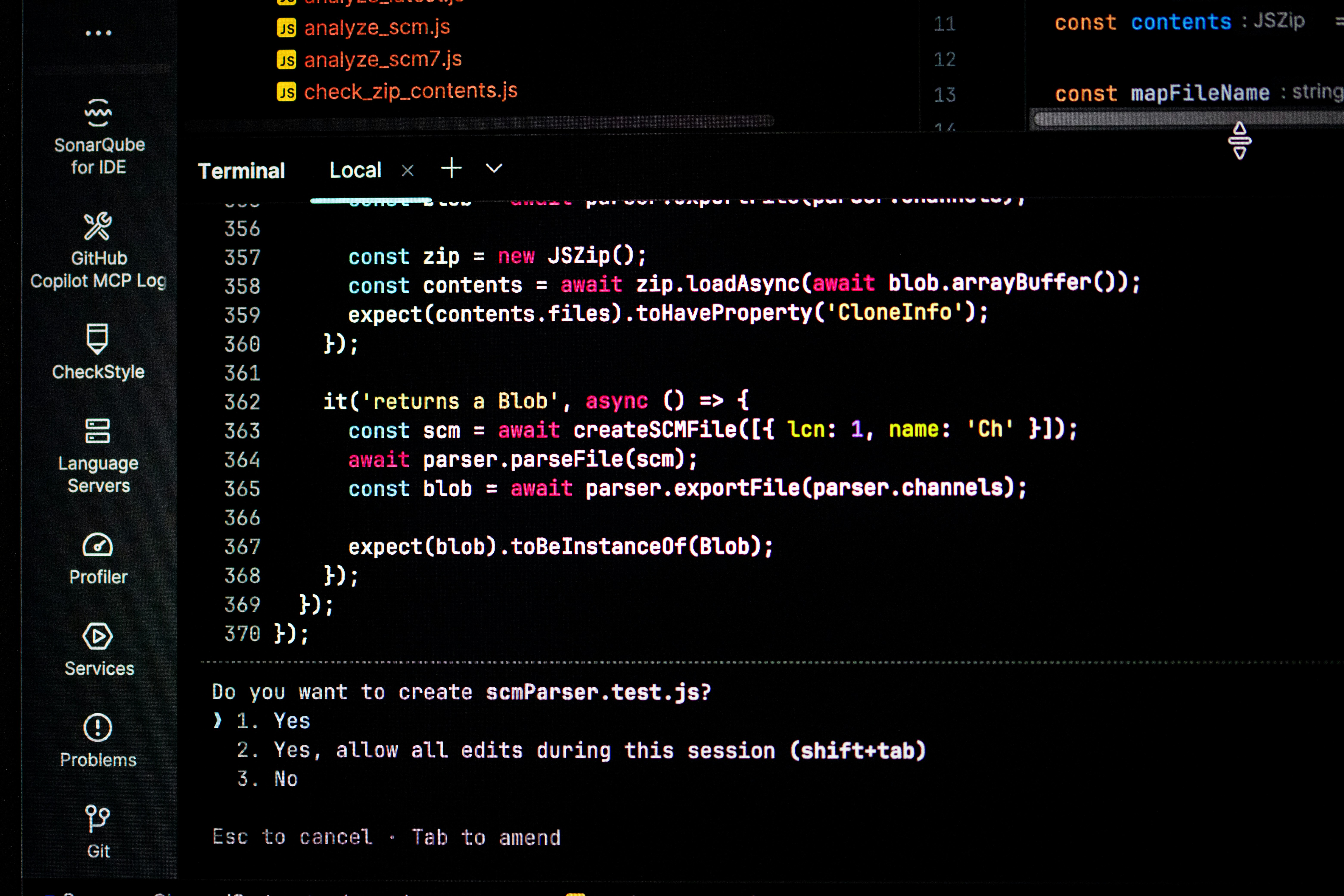
PHP has released updates for two critical flaws. OpenAI uses the case to propose how to coordinate validation, disclosure and deployment.
OpenAI · Announcement: · Editorial review

ANNOUNCEMENT & AVAILABILITY
Checked on 26 October 2026. Scope: official advisories, published releases and checker limitations. Claims about the models’ contributions are attributed to the participating teams.
Patch the Planet: global response coordination as agents uncover critical vulnerabilitiesOn 21 October, PHP released updates for two critical vulnerabilities that can allow remote code execution without authentication. Known as PHP2Shell, the case combines AI-assisted research with a response led by maintainers. Fixed releases are on the official downloads page; each operator must determine which update applies to their services.
The official advisories describe two memory-management problems in the PHP engine. Exploitation paths depend on the version, configuration and way the interpreter runs.
OpenAI credits Calif with a finding using GPT-5.6 Sol and acknowledges Wiz’s independent discovery of both vulnerabilities. PHP’s maintainers led the fixes and release.
In its technical research, Calif explains how the researcher’s prior knowledge of PHP guided analysis with models and describes remote code execution tests across several applications. These are scenarios reproduced by the authors, rather than an audit of every installation.
Wiz separately describes using Wiz Atlas, Gemini 4 Argon and GPT-5.6 Sol, with demonstrations involving WordPress, Drupal and Joomla. These accounts allow contributions to be compared, but do not constitute an independent evaluation isolating how much each model contributed.
Drawing on this experience, OpenAI proposes five stages. Maintainers decide whom to involve before disclosure.
These are the first fixed upstream releases, available through PHP’s downloads page. The table covers original project releases: a distributor may incorporate the patch without adopting that version number.
PHP notes that 8.1 and earlier lack regular support and links minimal backports for 7.4, 8.0 and 8.1. The availability of patched packages depends on the vendor.
| Branch | Affected upstream releases | First fixed release |
|---|---|---|
| 8.2 | 8.2.0–8.2.34 | 8.2.35 |
| 8.3 | 8.3.0–8.3.35 | 8.3.36 |
| 8.4 | 8.4.0–8.4.26 | 8.4.27 |
| 8.5 | 8.5.0–8.5.11 | 8.5.12 |
PHP’s 23 October advisory adds CVE-2026-115560: an unlikely path involving a runtime change of `session.serialize_handler` from `php_binary` or `php_serialize` to `php` before `session_start()`, with upload progress enabled. It recommends `session.upload_progress.enabled=0` until the next regular release; applications without that runtime handler change may keep the feature enabled. The advisory does not yet announce that patch.
For the two initial flaws, PHP’s technical advisory states that updating is the only complete mitigation. Temporary measures reduce particular exposure paths and do not amount to installing the fix.
OpenAI’s public PHP Version Checker repository offers URL-based or server-access checks and integration as Codex skills. URL mode reads HTTP headers: it returns `UNKNOWN` when no recognisable version is available. Even `OK` describes only the advertised version, without verifying the installation.
That mode also cannot identify vendor-backported fixes and sends no exploit probes. Its result provides an inventory clue; it needs to be checked against the installed package and the vendor’s advisory.
Our interpretation is that the case requires three responsibilities to be connected: validating the flaw, deciding on disclosure and checking that the patch is actually installed. An AI-assisted finding does not itself establish that every service is protected.
Hypothetical example: an organisation uses PHP in two services with different providers. It could assign each service owner responsibility for confirming the patched package, deploying it and checking the process handling requests, while security coordinates follow-up. This example illustrates a division of work and does not certify any system.
Created with AI assistance and reviewed by Nexo Community. Practical proposals and editorial interpretation are distinguished from documented facts.
Read the source ↗CONNECT THIS IDEA
More articles appear as you continue scrolling.
LET’S KEEP CONNECTING
Discover new articles or suggest a question from your experience.