ANNOUNCEMENT & AVAILABILITY
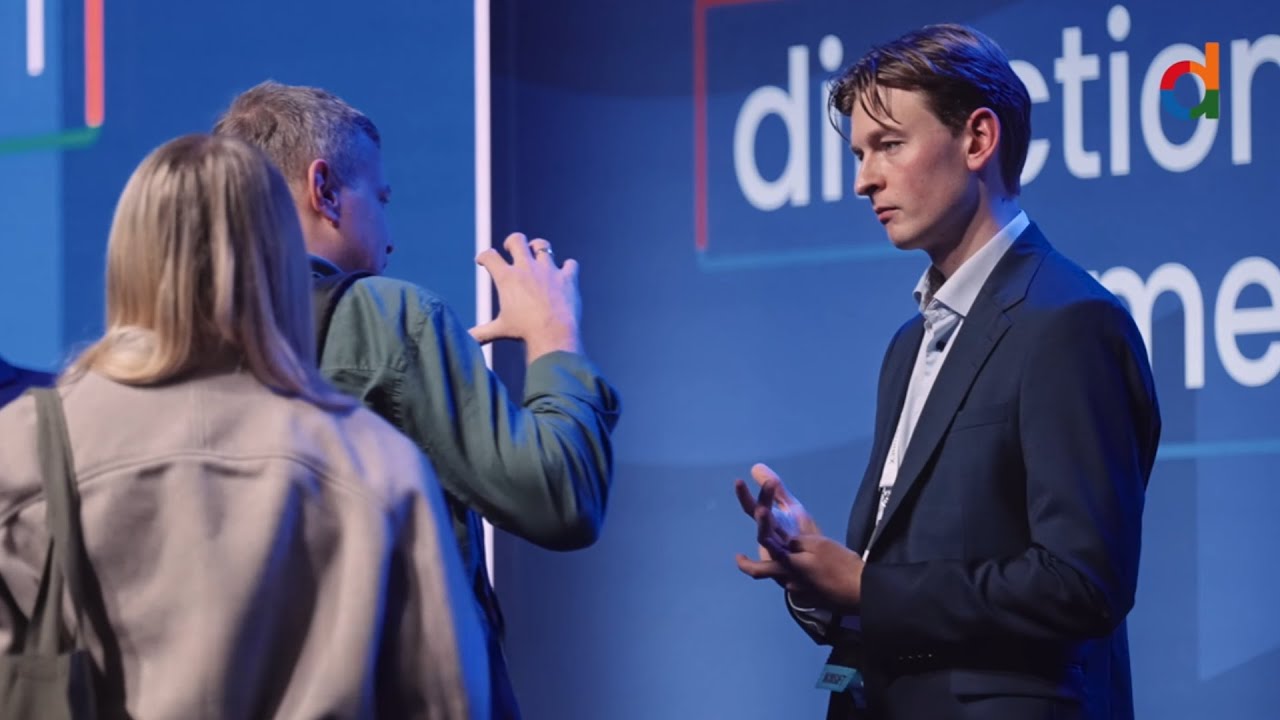
Organizer sources consulted on October 23, 2026: the Directions EMEA 2026 page, detailed agenda and general program. This confirms organizer announcements, not ticket availability, a completed purchase, app operation or the commercial availability of features. Interpretation and examples are identified. The header uses an image from the official Directions EMEA 2025 recap video in Poznań, linked by the organizer; it does not depict the Paris 2026 event.
Directions EMEA 2026What has been announced
Directions for Partners announces the next edition in Paris on October 27–29, 2026, for the Business Central community. English will be the official language, except for country sessions. As of October 23, the event has yet to take place. [Official Directions EMEA 2026 page](https://www.directionsforpartners.com/emea2026).
The figures attributed to Vienna 2024 on the landing page belong to that edition and cannot establish attendance or session numbers for 2026. [Organizer information](https://www.directionsforpartners.com/emea2026).
Tickets, venue and app: what could be checked
The official practical information identifies the venue as Palais des Congrès de Paris, at 2 Place de la Porte Maillot. It advertises a standard ticket at €1,499, with discounts of 10% for groups of five or more and 20% for ten or more. These are the terms published by the organizer. [Official practical information](https://www.directionsforpartners.com/emea2026/practical-information).
The purchase link checked redirects to a sign-in screen. This public review cannot confirm ticket availability, the final amount including taxes and fees, or the terms of a specific booking. Those details will need checking during the purchase process before registration is completed. [Registration access](https://www.directionsforpartners.com/tickets?EventCode=EMEA2026).
The practical information page also promotes Directions Events for browsing sessions and contacts. App access and operation have not been tested in this review. As preparation, we suggest saving a copy of bookings and the selected sessions. [Directions Events information](https://www.directionsforpartners.com/emea2026/practical-information).
The agenda already identifies AI topics
The website provides a detailed agenda with session titles, although the general program still announces further details to come. Times, rooms and overlaps should be reconfirmed before fixing an itinerary. [Detailed agenda](https://www.directionsforpartners.com/emea2026/schedule), [general program](https://www.directionsforpartners.com/emea2026/program).
The official speaker list links Microsoft software engineer Marta-Vladyslava Baranovych to sessions on AI evaluations and agent testing in Business Central. This is an association announced by the organizer; the content and conclusions of those presentations remain ahead. [Announced speakers](https://www.directionsforpartners.com/emea2026/speakers).
The first column summarizes topics present in the agenda reviewed. The questions in the second column are Nexo editorial suggestions for preparing attendance. [Topics announced in the agenda](https://www.directionsforpartners.com/emea2026/schedule).
| Announced topic, summarized | Question proposed by Nexo |
|---|---|
| Copilot chat and Expense Agent | Which tasks are demonstrated, and what human involvement do they require? |
| AI evaluation and experimentation | Which test data and criteria would make the evaluation repeatable? |
| Agent testing | How are errors, exceptions and corrections tested? |
| AI pricing and usage billing | How would total cost be calculated at our expected usage volume? |
Nexo's interpretation: attend with a decision to make
Our editorial proposal is to prepare attendance around a defined process: receiving orders, reviewing documents or assisting development. Defining where the work begins, who receives the output and which error would require stopping a trial helps frame questions that the team can discuss afterwards.
A topic's presence at a conference establishes that a presentation has been announced. By itself, it does not establish that a feature is available to a particular customer. To assess possible adoption, we suggest requesting dated product documentation and clarifying the following points:
- Status: is this a demonstration, a preview or a generally available feature?
- Scope: which countries, languages, versions and deployment options are covered?
- Operation: which permissions are required, who authorizes actions, and how are results reviewed or corrected?
- Cost: which licensing, usage, implementation, supervision and support costs would need budgeting?
Two proposed examples for preparing questions
The following scenarios are hypothetical test designs using fictional data. They do not describe real cases, achieved results or verified capabilities of a solution.
For a functional team, we suggest preparing 30 fictional order requests: 20 complete, five with missing fields and five ambiguous. The proposed test objective would be to produce drafts for review and flag uncertainties, with human confirmation before proceeding. The team would record correct drafts, unsupported assumptions, detected exceptions and total review time. Comparison with manual handling of the same set would support discussion of potential benefits without assigning savings in advance.
For development, we suggest evaluating AI assistance when preparing tests for a small AL change in a sample extension. The comparison would measure time until the change has been reviewed, compiled and tested, including corrections and dependency review. It would also record defects and additional maintenance work. This example proposes evaluation criteria; it assumes no particular tool or compatibility.
Before, during and after Paris
As a working method for attendance, we suggest organizing preparation into three stages:
- Before: choose a process, document its current state and select related sessions, checking times and participation requirements.
- During: record what was demonstrated, under which conditions, and which documentation supports statements about availability, costs and limitations.
- After: review the evidence with the people who operate the process and decide whether a limited trial is warranted, what information is missing and who will obtain it.
Created with AI assistance and reviewed by Nexo Community. Practical proposals and editorial interpretation are distinguished from documented facts.
Read the source ↗