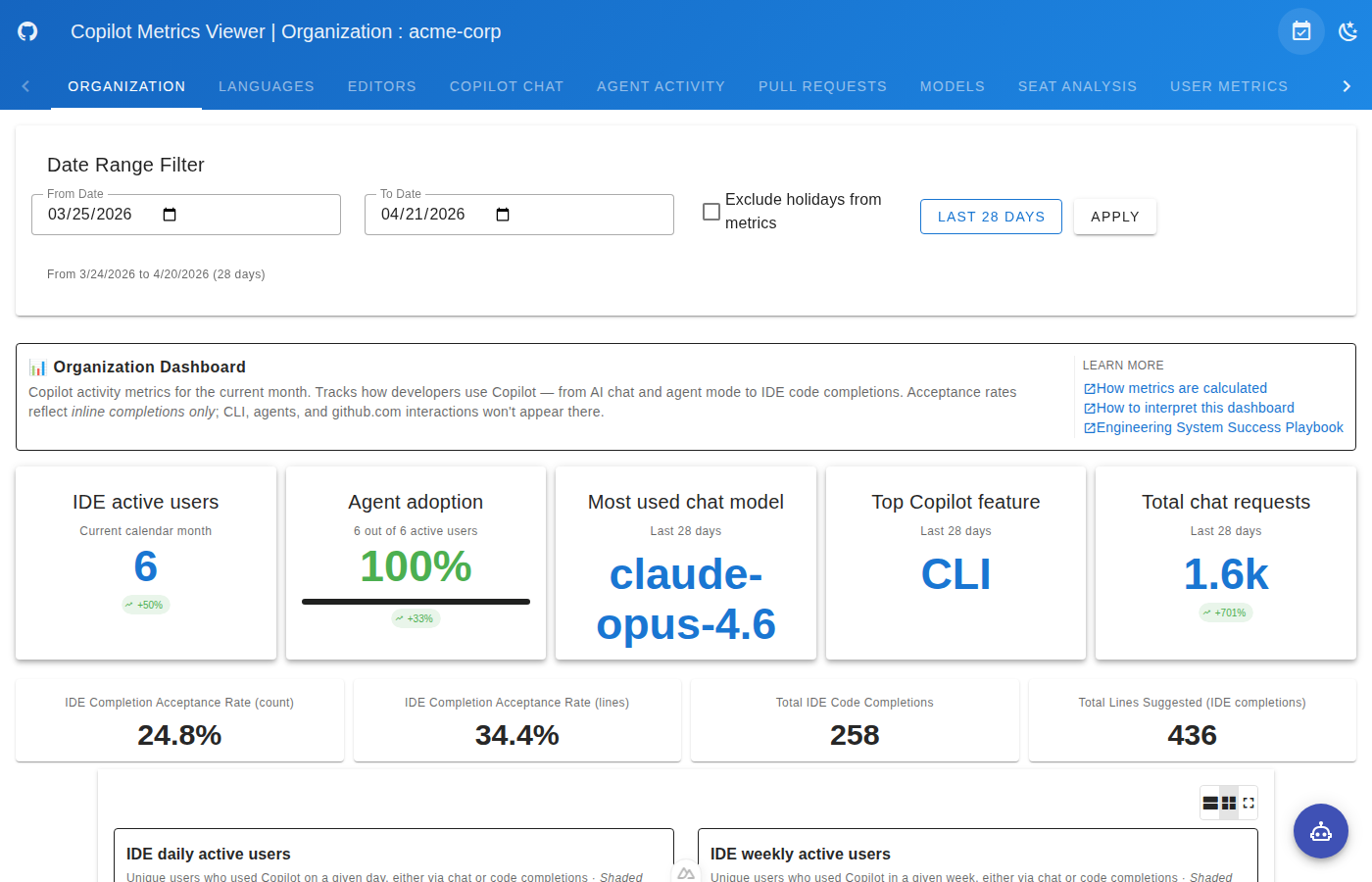
GitHub is adding requests, sessions, and tokens by client to Copilot reports, including tools such as OpenCode. The breakdown helps explain usage outside the IDE, with limits when comparing adoption and productivity.
The format for sharing procedures across agents gains governance described as vendor-neutral. Reuse still depends on each tool’s capabilities and permissions.
Primary sources consulted on October 24, 2026. The incorporation announcement, public tracker status, and proposed improvements are distinguished. No original cross-platform execution tests were performed.
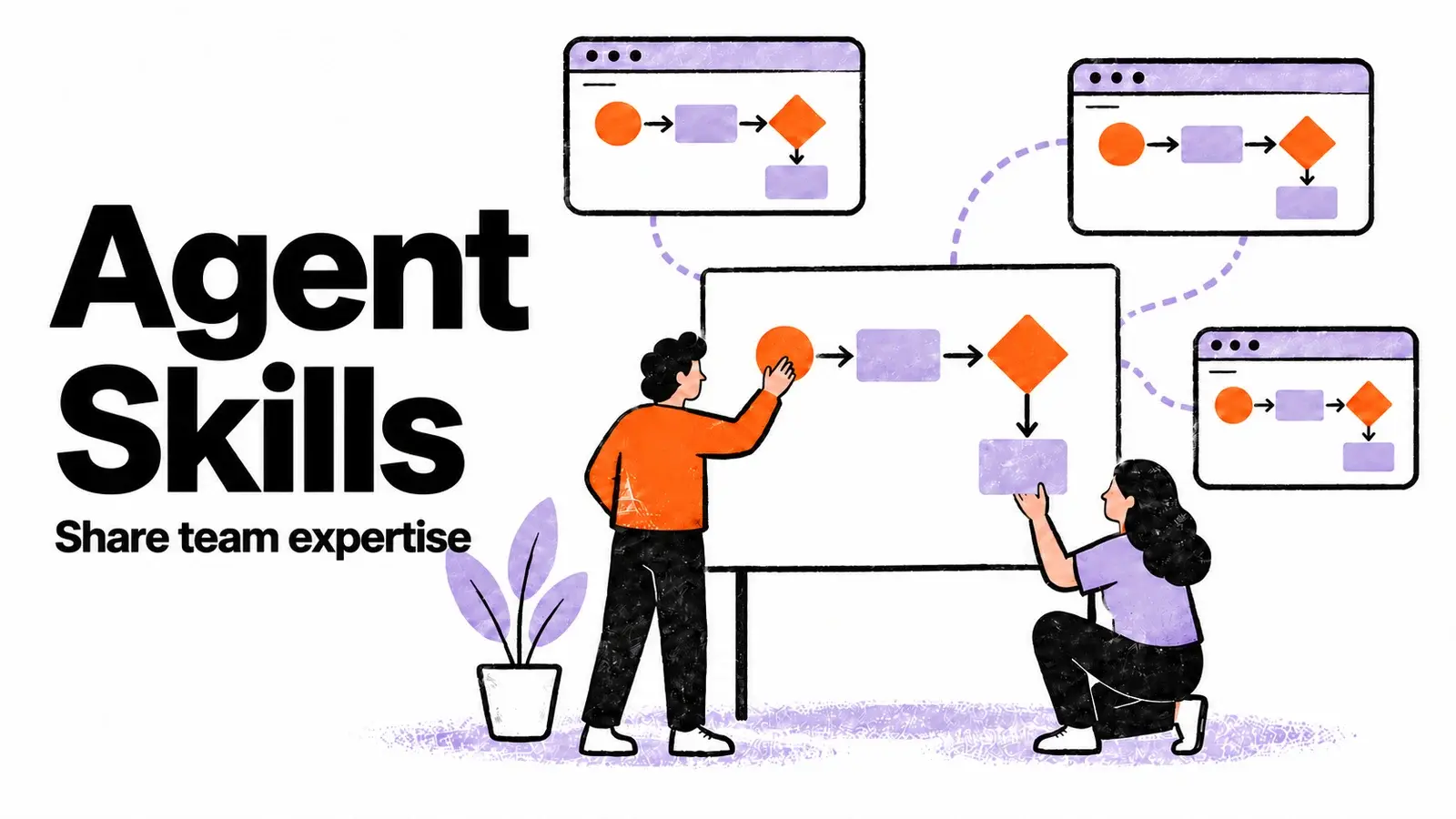
On October 22, Anthropic announced the donation of Agent Skills to the Agentic AI Foundation (AAIF), under the Linux Foundation. The foundation confirmed its addition alongside three other projects. Agent Skills provides an open format for packaging instructions and resources that an agent can load when it needs to perform a task. Linux Foundation announcement.
For teams documenting how to review code, prepare reports, or apply internal criteria, the significance lies in retaining that knowledge and helping shape the format that carries it.
What the donation includes
According to Anthropic, the donation covers the Agent Skills name and logo, GitHub organization, and agentskills.io domain. David Soria Parra and Mahesh Murag are named as Lead Maintainers. Using or contributing to the standard does not require AAIF membership.
The AAIF describes technical leadership through a committee of maintainers from multiple organizations serving as individuals. That is the announced structure for guiding the project.
The announcement and the public paperwork
Consulted on October 24, 2026, public proposal #47 is open and displays `GB Vote`, `Impact`, `TC Approved`, and `contribution-agreement/unsigned`. These labels record technical approval, governing board review and voting, and an unsigned contribution agreement; they do not independently verify administrative status outside GitHub.
The proposal envisages settling committee membership and decision rules during onboarding, and publishing `GOVERNANCE.md` and `MAINTAINERS.md` during that process. These plans establish neither their implementation nor the completion of every administrative step.
What is available now
The public documentation describes a skill as a folder containing a `SKILL.md` file, optionally accompanied by scripts, references, and other resources. The agent first discovers its name and description, loading the full instructions when needed.
The available specification requires `name` and `description` fields. Environment requirements can be recorded through `compatibility`; `allowed-tools` remains experimental and support may differ between implementations. Supported scripting languages also depend on the agent.
The project repository publishes code under Apache 2.0 and documentation under CC BY 4.0. The project’s licensing does not determine the license of individual third-party skills. Nor does it imply free access to every product supporting the format.
How contributions work and what remains proposed
The current contribution guide directs proposals and questions to GitHub Discussions, concrete bugs to Issues, and documentation improvements to pull requests. It currently accepts neither code contributions to the reference library nor skill submissions for a community catalog.
Anthropic presents numbered standard releases, a formal proposal process, and security guidance as a proposed roadmap. The announcement does not establish them as delivered. Source: Anthropic announcement.
Analysis: shared instructions need maintenance
Nexo’s interpretation is that shared governance could give teams more influence over a format they depend on. Its practical value will be measured through understandable change rules, identifiable maintainers, and revisions that make expected behavior clear.
Two responsibilities deserve separate attention: standard maintainers define the format, while each team still needs owners for its procedures. Sharing a folder does not guarantee that two agents interpret its instructions identically, have the same tools, or produce equivalent results.
Original example: a reusable code review
As a hypothetical example, a team could package its review criteria, examples of errors, and a checking script into a skill. Before distributing it across several tools, the team would need to verify:
That each agent discovers and activates the skill for the intended task.
That scripts work with the available dependencies and permissions.
That shared test cases allow results to be compared and omissions detected.
That there is an owner, an identifiable revision, and a process for distributing or withdrawing changes.
Created with AI assistance and reviewed by Nexo Community. Practical proposals and editorial interpretation are distinguished from documented facts.
GitHub adds customization names to its metrics, providing more detail for tracking adoption while retaining limits that prevent equating activity with productivity.