A Microsoft reference architecture guides the design of internal support with Copilot Studio. Permissions, escalation, and testing shape what is worth automating.
Business Central 29 combines controls over selectable layouts with APIs for querying the report inbox, retrieving files and updating their read status.
Microsoft lists three enhancements in public preview: multiple excise duties per item, withholding on employee transactions and vendor-specific self-billing number series. Their application depends on the process and configuration.
BC29 adds purchase order instructions, assisted setup and new warehouse options for subcontracting, building on capabilities already available in 28.3.
GitHub adds optional comparisons to the Copilot impact dashboard. The indicators place adoption and pull request merge rates alongside participating peers, with limits worth understanding before setting targets.
OpenAI’s policies will require prior approval to give third parties direct access to its models from November 20, 2026. The text distinguishes this service from integrating models into an application.
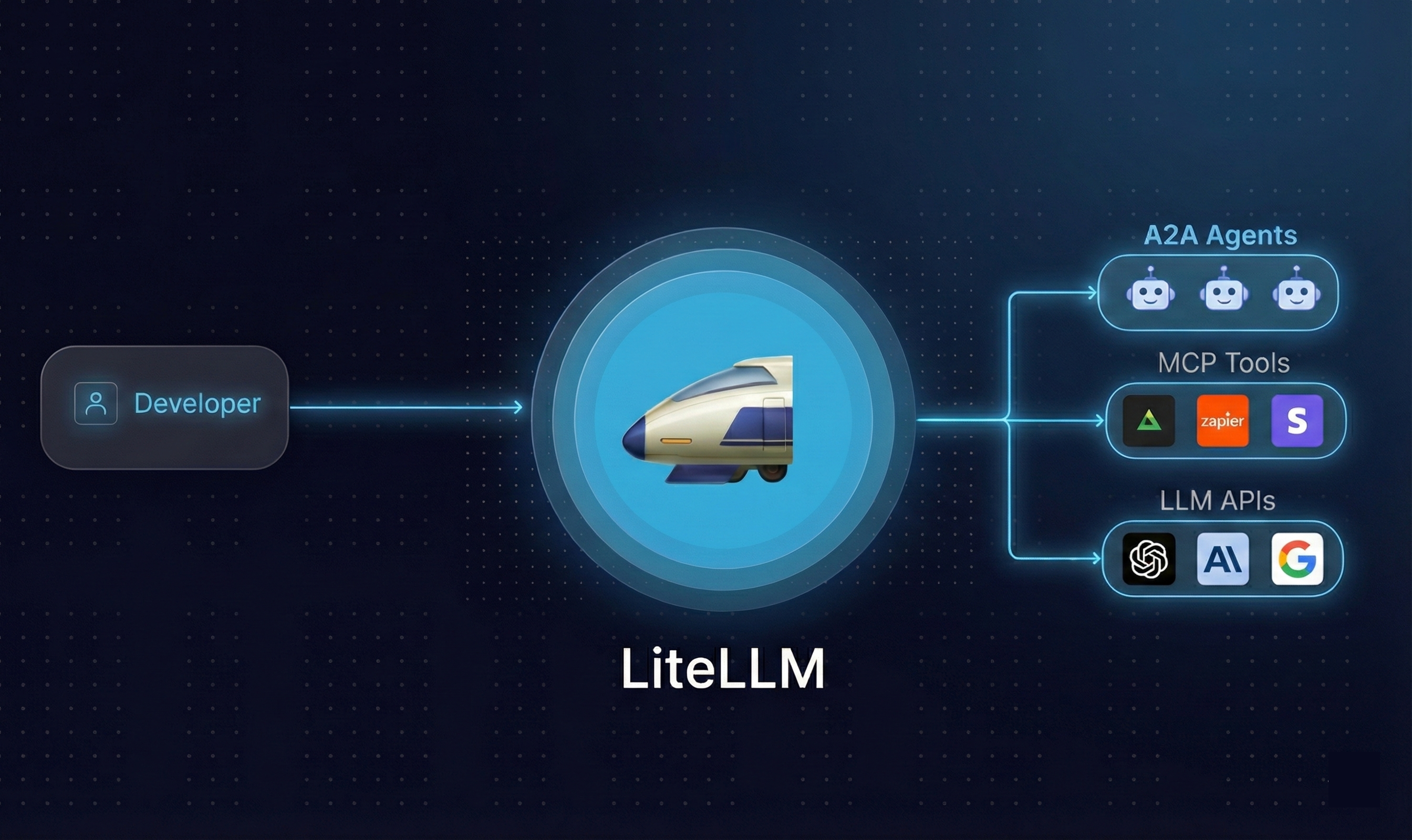
OpenAI announced on October 21 that routers and gateways providing direct access to its models will need prior review and approval. The measure forms part of its initiative to apply consistent safeguards across providers, as explained in its official announcement.
The Help Center note confirms that the changes take effect on November 20, 2026. The previous version applies until then. Existing agreements and other applicable terms continue to be relevant.
Which services the requirement covers
The model-access section of the Usage Policies requires prior authorization when an intermediary platform or another service enables third parties to access OpenAI models directly. It clarifies that integrating models to power an application’s features does not, by itself, trigger this requirement.
Nexo interpretation: describe what customers can do and who provides access before classifying a product by its commercial name. The following hypothetical examples help prepare that discussion; they are not OpenAI decisions about specific services.
Hypothetical design
What to review
An application summarizes documents within a defined workflow.
Document the feature and the experience delivered to the user.
An API lets other developers submit their own requests to multiple models.
Describe the access offered and request the applicable review.
An internal gateway centralizes employee requests.
Ask how the requirement applies to this architecture; do not assume an exemption because it is internal.
Responsibilities for access providers
In its announcement, OpenAI also assigns partners responsibilities to maintain safeguards consistent with its own, investigate potential violations and coordinate enforcement so that restrictions remain effective across services.
Separately, sections 2.2 and 3 of the Services Agreement provide for integrating the API into applications for end users and make customers responsible for activity under their accounts. They also prohibit buying, selling or transferring API keys with third parties.
What to prepare and what remains unspecified
The announcement, policies and Help Center note reviewed do not specify an application channel, response times or transition arrangements for existing gateways. How the requirement applies to an internal gateway also needs confirmation from the provider.
For technical and product preparation, Nexo suggests:
Prepare a diagram of users, credentials, models and access paths.
Document safeguards, owners and responses to potential misuse.
Request written clarification of the process, the status of an existing service and applicable conditions before committing to a launch.
Created with AI assistance and reviewed by Nexo Community. Practical proposals and editorial interpretation are distinguished from documented facts.